Census Controversy Sparks Debate Over Political Manipulation
December 05, 2024 | Oversight and Reform: House Committee, Standing Committees - House & Senate, Congressional Hearings Compilation, Legislative, Federal
This article was created by AI summarizing key points discussed. AI makes mistakes, so for full details and context, please refer to the video of the full meeting. Please report any errors so we can fix them. Report an error »
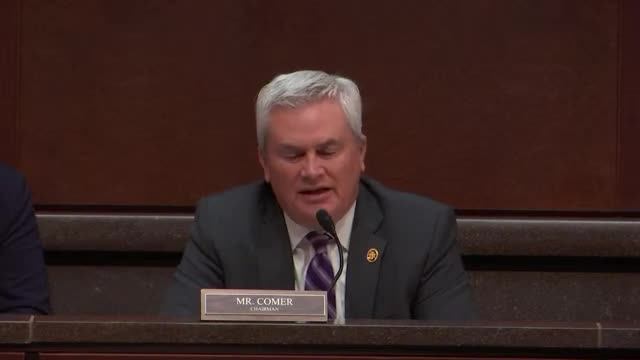
A recent government meeting focused on the accuracy and integrity of the upcoming census. Officials discussed the importance of using technology to improve the counting process. Currently, there are about 10,000 full-time employees working on the census. Questions were raised about whether advancements in technology could reduce the need for such a large workforce.
Concerns were expressed regarding the reliability of past census results. Some officials noted that there was a lack of confidence in the last census, which took place during the Trump administration. They emphasized the need for a more accurate and trustworthy census moving forward, especially as population shifts are expected to impact congressional representation.
One official highlighted that states that voted for Kamala Harris could potentially lose up to 12 congressional seats due to these population changes. This has raised questions about how the census data will be used in redistricting and whether it will fairly represent the population.
Another point of contention was the role of gerrymandering in determining congressional seats. An official clarified that the census count does not directly dictate the number of seats each state has. Instead, it is influenced by how state legislatures draw district lines. For example, North Carolina's recent redistricting was cited as a case where the legislature altered the map to favor Republican candidates.
The meeting underscored the critical nature of the census in shaping political representation and the ongoing debates about its accuracy and fairness. As officials prepare for the next census, the focus remains on ensuring that the process is transparent and reliable.
Concerns were expressed regarding the reliability of past census results. Some officials noted that there was a lack of confidence in the last census, which took place during the Trump administration. They emphasized the need for a more accurate and trustworthy census moving forward, especially as population shifts are expected to impact congressional representation.
One official highlighted that states that voted for Kamala Harris could potentially lose up to 12 congressional seats due to these population changes. This has raised questions about how the census data will be used in redistricting and whether it will fairly represent the population.
Another point of contention was the role of gerrymandering in determining congressional seats. An official clarified that the census count does not directly dictate the number of seats each state has. Instead, it is influenced by how state legislatures draw district lines. For example, North Carolina's recent redistricting was cited as a case where the legislature altered the map to favor Republican candidates.
The meeting underscored the critical nature of the census in shaping political representation and the ongoing debates about its accuracy and fairness. As officials prepare for the next census, the focus remains on ensuring that the process is transparent and reliable.
View the Full Meeting & All Its Details
This article offers just a summary. Unlock complete video, transcripts, and insights as a Founder Member.
✓
Watch full, unedited meeting videos
✓
Search every word spoken in unlimited transcripts
✓
AI summaries & real-time alerts (all government levels)
✓
Permanent access to expanding government content
30-day money-back guarantee
