Census data undercounts raise alarm over funding disparities
December 05, 2024 | Oversight and Reform: House Committee, Standing Committees - House & Senate, Congressional Hearings Compilation, Legislative, Federal
This article was created by AI summarizing key points discussed. AI makes mistakes, so for full details and context, please refer to the video of the full meeting. Please report any errors so we can fix them. Report an error »
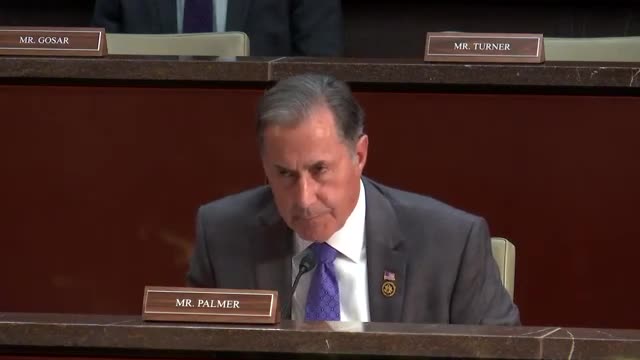
During a recent government meeting, officials discussed significant concerns regarding the accuracy of census estimates. A key point raised was the undercounting of populations in predominantly red states. One congressman highlighted that this discrepancy is statistically unusual, questioning how such errors could occur if estimates were supposed to be random across all states.
The discussion revealed frustrations with the responses from census officials. The congressman expressed dissatisfaction with the explanations provided, emphasizing the need for a thorough follow-up to understand the methodology behind the estimates. He pointed out that overcounting in states like New York by nearly 700,000 people, while undercounting in other states, raises serious statistical issues.
In response, census officials assured the committee that their methodology was sound and that they would provide further information to address the concerns raised. They committed to coordinating with the committee to ensure transparency in their processes.
Another important topic was the impact of census data on federal funding. Director Santos explained that accurate census data is crucial for determining the allocation of over $2.8 trillion in federal assistance. He stressed that undercounting populations could lead to significant underfunding for essential services like hospitals and schools.
The meeting also touched on the controversial proposal to exclude certain migrants from census apportionment decisions. Santos noted that previous attempts to add a citizenship question to the census could have discouraged participation, potentially leading to millions of people not completing the census. He reaffirmed that the Census Bureau already collects citizenship data through other surveys, which helps maintain the integrity and accuracy of census data.
Overall, the meeting underscored the critical role of accurate census data in ensuring fair funding and representation for communities across the country.
The discussion revealed frustrations with the responses from census officials. The congressman expressed dissatisfaction with the explanations provided, emphasizing the need for a thorough follow-up to understand the methodology behind the estimates. He pointed out that overcounting in states like New York by nearly 700,000 people, while undercounting in other states, raises serious statistical issues.
In response, census officials assured the committee that their methodology was sound and that they would provide further information to address the concerns raised. They committed to coordinating with the committee to ensure transparency in their processes.
Another important topic was the impact of census data on federal funding. Director Santos explained that accurate census data is crucial for determining the allocation of over $2.8 trillion in federal assistance. He stressed that undercounting populations could lead to significant underfunding for essential services like hospitals and schools.
The meeting also touched on the controversial proposal to exclude certain migrants from census apportionment decisions. Santos noted that previous attempts to add a citizenship question to the census could have discouraged participation, potentially leading to millions of people not completing the census. He reaffirmed that the Census Bureau already collects citizenship data through other surveys, which helps maintain the integrity and accuracy of census data.
Overall, the meeting underscored the critical role of accurate census data in ensuring fair funding and representation for communities across the country.
View the Full Meeting & All Its Details
This article offers just a summary. Unlock complete video, transcripts, and insights as a Founder Member.
✓
Watch full, unedited meeting videos
✓
Search every word spoken in unlimited transcripts
✓
AI summaries & real-time alerts (all government levels)
✓
Permanent access to expanding government content
30-day money-back guarantee
