Census Count Controversy Sparks Heated Congressional Debate
December 05, 2024 | Oversight and Reform: House Committee, Standing Committees - House & Senate, Congressional Hearings Compilation, Legislative, Federal
This article was created by AI summarizing key points discussed. AI makes mistakes, so for full details and context, please refer to the video of the full meeting. Please report any errors so we can fix them. Report an error »
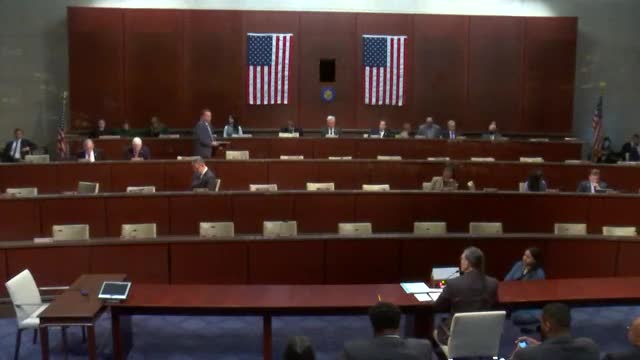
During a recent government meeting, officials discussed the critical role of the U.S. Census in determining representation and resource allocation. The Census is designed to conduct a head count of the population, which is essential for apportioning congressional seats and electoral votes. However, inaccuracies in census counts can lead to skewed representation and misallocation of resources.
Concerns were raised about significant overcounts in states like New York and Massachusetts, and undercounts in states such as Texas and Florida. The Census Bureau acknowledged these discrepancies, noting that similar issues occurred in previous censuses. The conversation highlighted the importance of accurate data collection, as penalties exist for failing to respond to the census, although enforcement has rarely been applied.
The American Community Survey, which gathers more detailed information, also faced scrutiny. Some officials expressed frustration over the extensive questions it asks, arguing that it deters participation. They emphasized that many constituents feel overwhelmed and fearful of potential penalties for non-compliance.
Efforts to improve participation among historically undercounted populations were discussed. Officials noted that distrust in government often leads to lower response rates in certain communities. To address this, the Census Bureau has initiated outreach programs to build trust and encourage participation.
The meeting also touched on the constitutional basis for counting all residents in the U.S., regardless of citizenship status. This aspect sparked debate among officials about the implications for representation and voting rights. Some argued that only citizens should be counted for apportionment, while others defended the current practice of including all residents.
Overall, the discussions underscored the complexities and challenges of conducting an accurate census, as well as the need for ongoing improvements to ensure fair representation for all communities in future counts.
Concerns were raised about significant overcounts in states like New York and Massachusetts, and undercounts in states such as Texas and Florida. The Census Bureau acknowledged these discrepancies, noting that similar issues occurred in previous censuses. The conversation highlighted the importance of accurate data collection, as penalties exist for failing to respond to the census, although enforcement has rarely been applied.
The American Community Survey, which gathers more detailed information, also faced scrutiny. Some officials expressed frustration over the extensive questions it asks, arguing that it deters participation. They emphasized that many constituents feel overwhelmed and fearful of potential penalties for non-compliance.
Efforts to improve participation among historically undercounted populations were discussed. Officials noted that distrust in government often leads to lower response rates in certain communities. To address this, the Census Bureau has initiated outreach programs to build trust and encourage participation.
The meeting also touched on the constitutional basis for counting all residents in the U.S., regardless of citizenship status. This aspect sparked debate among officials about the implications for representation and voting rights. Some argued that only citizens should be counted for apportionment, while others defended the current practice of including all residents.
Overall, the discussions underscored the complexities and challenges of conducting an accurate census, as well as the need for ongoing improvements to ensure fair representation for all communities in future counts.
View the Full Meeting & All Its Details
This article offers just a summary. Unlock complete video, transcripts, and insights as a Founder Member.
✓
Watch full, unedited meeting videos
✓
Search every word spoken in unlimited transcripts
✓
AI summaries & real-time alerts (all government levels)
✓
Permanent access to expanding government content
30-day money-back guarantee
