Lawmakers confront census challenges amid climate and political crises
December 05, 2024 | Oversight and Reform: House Committee, Standing Committees - House & Senate, Congressional Hearings Compilation, Legislative, Federal
This article was created by AI summarizing key points discussed. AI makes mistakes, so for full details and context, please refer to the video of the full meeting. Please report any errors so we can fix them. Report an error »
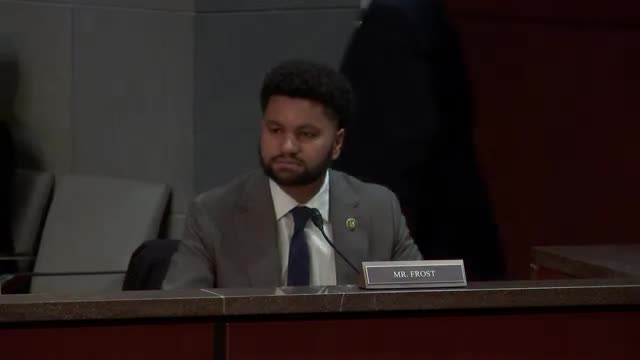
In a recent government meeting, officials discussed the impact of natural disasters and the ongoing COVID-19 pandemic on communities, particularly in Florida. The conversation highlighted how climate change has led to more extreme weather events, including hurricanes and wildfires, which have compounded existing public health crises.
A significant concern raised was the underrepresentation of Black and brown communities in the census. Officials pointed out that political interference, such as pressure from special interest groups, has hindered outreach efforts. This undercounting can lead to misallocation of resources, affecting everything from affordable housing to infrastructure development. The discussion emphasized that accurate census data is crucial for economic growth and community needs assessments.
The meeting also touched on the upcoming 2030 census. Officials acknowledged the need for contingency plans to address challenges like natural disasters and political interference. They mentioned efforts to improve data collection in disaster-affected areas, ensuring that all communities are accurately counted.
Additionally, there was a debate about the inclusion of citizenship questions in census surveys. Some officials argued that asking about citizenship could discourage participation, while others believed it was important for understanding demographic differences. The conversation underscored the complexities of gathering accurate data in a diverse society.
Overall, the meeting highlighted the critical need for accurate census data to support equitable resource distribution and community representation, especially in the face of ongoing challenges like climate change and political pressures.
A significant concern raised was the underrepresentation of Black and brown communities in the census. Officials pointed out that political interference, such as pressure from special interest groups, has hindered outreach efforts. This undercounting can lead to misallocation of resources, affecting everything from affordable housing to infrastructure development. The discussion emphasized that accurate census data is crucial for economic growth and community needs assessments.
The meeting also touched on the upcoming 2030 census. Officials acknowledged the need for contingency plans to address challenges like natural disasters and political interference. They mentioned efforts to improve data collection in disaster-affected areas, ensuring that all communities are accurately counted.
Additionally, there was a debate about the inclusion of citizenship questions in census surveys. Some officials argued that asking about citizenship could discourage participation, while others believed it was important for understanding demographic differences. The conversation underscored the complexities of gathering accurate data in a diverse society.
Overall, the meeting highlighted the critical need for accurate census data to support equitable resource distribution and community representation, especially in the face of ongoing challenges like climate change and political pressures.
View the Full Meeting & All Its Details
This article offers just a summary. Unlock complete video, transcripts, and insights as a Founder Member.
✓
Watch full, unedited meeting videos
✓
Search every word spoken in unlimited transcripts
✓
AI summaries & real-time alerts (all government levels)
✓
Permanent access to expanding government content
30-day money-back guarantee
