Census Bureau faces scrutiny over 2020 miscounts and funding
December 05, 2024 | Oversight and Reform: House Committee, Standing Committees - House & Senate, Congressional Hearings Compilation, Legislative, Federal
This article was created by AI summarizing key points discussed. AI makes mistakes, so for full details and context, please refer to the video of the full meeting. Please report any errors so we can fix them. Report an error »
During a recent government meeting, discussions centered on the importance of accurate census data and its implications for representation and resource allocation in the United States. The meeting highlighted the proposed Equal Representation Act, which aims to add a citizenship question to the 2030 census. This bill seeks to exclude non-citizens from the population count used for congressional apportionment, a move that could significantly alter the makeup of Congress.
Concerns were raised about the 2020 census, which revealed significant miscounts that affected representation. Some states, particularly those with higher populations of Black and Latino residents, were undercounted, while others were overcounted. This discrepancy has led to claims that Republican-leaning states were unfairly disadvantaged in congressional representation and federal funding.
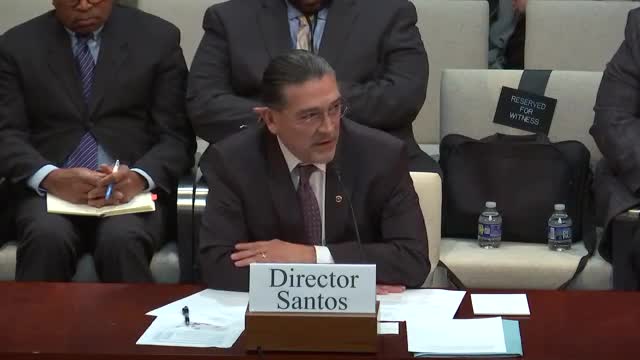
Director Santos of the Census Bureau emphasized the critical role of accurate census data in determining federal resources for programs like SNAP, WIC, and TANF. He explained that the census data informs over 130 surveys that guide policy development across various sectors, including education and disaster planning. Santos acknowledged the challenges faced in achieving accurate counts and noted ongoing efforts to engage with communities to improve participation in future censuses.
The meeting also touched on the potential political implications of the census data collection process. Some participants expressed concerns that political agendas could influence the Census Bureau's work, stressing the need for the agency to remain nonpartisan and focused on data integrity.
Overall, the discussions underscored the vital importance of the census in ensuring fair representation and equitable distribution of resources, while also addressing the challenges and controversies surrounding its execution.
Concerns were raised about the 2020 census, which revealed significant miscounts that affected representation. Some states, particularly those with higher populations of Black and Latino residents, were undercounted, while others were overcounted. This discrepancy has led to claims that Republican-leaning states were unfairly disadvantaged in congressional representation and federal funding.
Director Santos of the Census Bureau emphasized the critical role of accurate census data in determining federal resources for programs like SNAP, WIC, and TANF. He explained that the census data informs over 130 surveys that guide policy development across various sectors, including education and disaster planning. Santos acknowledged the challenges faced in achieving accurate counts and noted ongoing efforts to engage with communities to improve participation in future censuses.
The meeting also touched on the potential political implications of the census data collection process. Some participants expressed concerns that political agendas could influence the Census Bureau's work, stressing the need for the agency to remain nonpartisan and focused on data integrity.
Overall, the discussions underscored the vital importance of the census in ensuring fair representation and equitable distribution of resources, while also addressing the challenges and controversies surrounding its execution.
View the Full Meeting & All Its Details
This article offers just a summary. Unlock complete video, transcripts, and insights as a Founder Member.
✓
Watch full, unedited meeting videos
✓
Search every word spoken in unlimited transcripts
✓
AI summaries & real-time alerts (all government levels)
✓
Permanent access to expanding government content
30-day money-back guarantee
