Shoreline project faces hurdles amid environmental concerns
December 04, 2024 | Mentor City Council, Mentor, Lake County, Ohio
This article was created by AI summarizing key points discussed. AI makes mistakes, so for full details and context, please refer to the video of the full meeting. Please report any errors so we can fix them. Report an error »
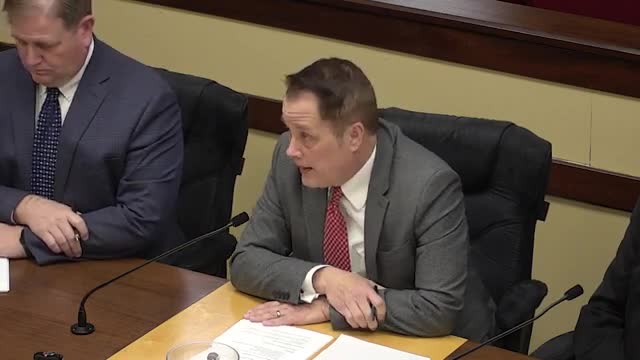
Key objectives outlined include creating a cost-effective, long-term solution that preserves the property while minimizing ecological disruption. The council emphasized the importance of integrating public feedback, which has indicated a desire to maintain existing natural features while enhancing access to the shoreline.
The meeting highlighted the need for thorough due diligence before any design work can commence. This includes conducting topographic and ecological surveys, as well as geotechnical investigations to assess soil stability and potential cultural resource concerns, such as heritage sites and wildlife habitats.
Officials noted that the project must comply with state and federal permitting requirements, which have previously hindered plans for extensive shoreline revetment. The council is now focused on determining the feasibility of various shoreline improvements and how they can be phased to align with funding opportunities.
As the project progresses, the next steps involve gathering essential data to inform a schematic layout, which will detail potential construction elements, including trails and access pathways to the lakefront. The outcome of these efforts will be crucial in shaping a sustainable approach to shoreline management that balances environmental preservation with community access.
View the Full Meeting & All Its Details
This article offers just a summary. Unlock complete video, transcripts, and insights as a Founder Member.
30-day money-back guarantee
Sponsors
Proudly supported by sponsors who keep Ohio articles free in 2026

