Gaza faces humanitarian crisis amid escalating evacuation orders
December 03, 2024 | United Nations
This article was created by AI summarizing key points discussed. AI makes mistakes, so for full details and context, please refer to the video of the full meeting. Please report any errors so we can fix them. Report an error »
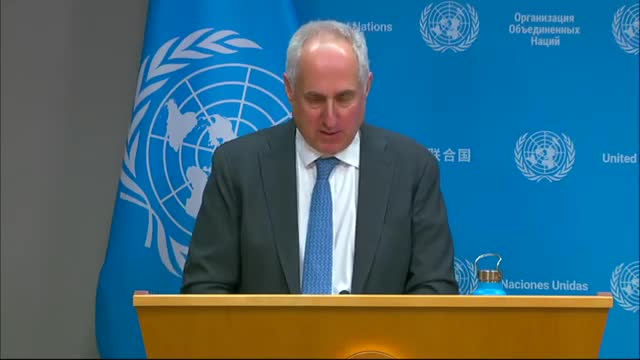
In a recent government meeting, officials discussed the escalating humanitarian crisis in Gaza, highlighting the dire conditions faced by civilians amid ongoing conflict. The Office of the Coordination of Humanitarian Affairs (OCHA) reported that a new Israeli evacuation order was issued, affecting over 2,000 people in the region. This marks the fourth evacuation directive since July, impacting approximately 3 square kilometers and leaving around 80% of the Gaza Strip under similar orders.
OCHA emphasized that these repeated evacuations expose civilians to heightened risks from hostilities and deprive them of essential services. The situation has worsened over the past two months, particularly in North Gaza, where a tightening siege has left between 650,000 to 750,000 individuals without regular access to food, water, electricity, or reliable healthcare. The humanitarian needs are extensive, with the entire population of Gaza requiring assistance, including over 58,000 individuals with disabilities who face additional challenges in securing food.
In southern Gaza, reports indicate that some residents are resorting to extreme measures, such as skipping meals, scavenging for food, and engaging in early marriage and child labor due to the scarcity of resources. Despite the catastrophic conditions, OCHA warned that humanitarian access remains severely obstructed. Out of 578 planned aid movements in November that required coordination with Israeli authorities, only 41% were facilitated, while more than a third were outright denied, and the remainder faced delays or cancellations due to security and logistical issues. The ongoing crisis underscores the urgent need for increased humanitarian support and access to alleviate the suffering of Gaza's population.
OCHA emphasized that these repeated evacuations expose civilians to heightened risks from hostilities and deprive them of essential services. The situation has worsened over the past two months, particularly in North Gaza, where a tightening siege has left between 650,000 to 750,000 individuals without regular access to food, water, electricity, or reliable healthcare. The humanitarian needs are extensive, with the entire population of Gaza requiring assistance, including over 58,000 individuals with disabilities who face additional challenges in securing food.
In southern Gaza, reports indicate that some residents are resorting to extreme measures, such as skipping meals, scavenging for food, and engaging in early marriage and child labor due to the scarcity of resources. Despite the catastrophic conditions, OCHA warned that humanitarian access remains severely obstructed. Out of 578 planned aid movements in November that required coordination with Israeli authorities, only 41% were facilitated, while more than a third were outright denied, and the remainder faced delays or cancellations due to security and logistical issues. The ongoing crisis underscores the urgent need for increased humanitarian support and access to alleviate the suffering of Gaza's population.
View the Full Meeting & All Its Details
This article offers just a summary. Unlock complete video, transcripts, and insights as a Founder Member.
✓
Watch full, unedited meeting videos
✓
Search every word spoken in unlimited transcripts
✓
AI summaries & real-time alerts (all government levels)
✓
Permanent access to expanding government content
30-day money-back guarantee
