Tree Replacement Plan Sparks Controversy Over Urban Development
September 16, 2024 | Summit, Union County, New Jersey
This article was created by AI summarizing key points discussed. AI makes mistakes, so for full details and context, please refer to the video of the full meeting. Please report any errors so we can fix them. Report an error »
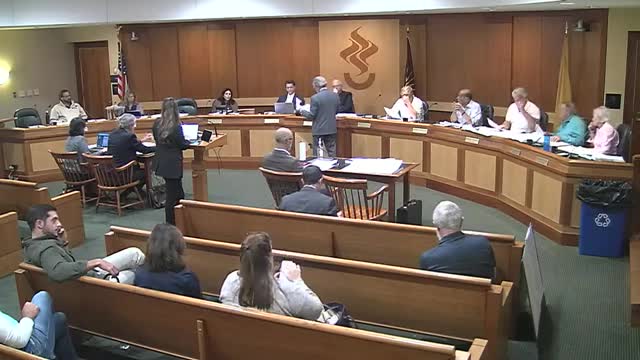
Concerns were raised regarding the removal of existing trees, particularly those marked for removal due to health issues, including beech leaf disease. The applicant's representative, Mr. Kest, emphasized that the majority of the trees slated for removal are suffering from this disease, which requires ongoing treatment to manage. He noted that without annual investment in treatment, these trees are likely to die, similar to the historical plight of American elm trees affected by Dutch Elm disease.
The Shade Tree Advisory Board expressed strong opposition to the removal of several healthy trees on steep slopes, arguing that their preservation is not only feasible but essential for the development's integrity. They highlighted that the existing trees contribute positively to the environment and should be retained.
Mr. Kest acknowledged the board's concerns but defended the removal of certain trees, citing the need for a usable backyard space and improved stormwater management. He argued that the long-term benefits of planting new trees would outweigh the immediate loss of the existing ones.
The meeting underscored the ongoing tension between development needs and environmental preservation, with stakeholders advocating for a balanced approach that considers both immediate and future ecological impacts.
Don't Miss a Word: See the Full Meeting!
Go beyond summaries. Unlock every video, transcript, and key insight with a Founder Membership.
30-day money-back guarantee
Sponsors
Proudly supported by sponsors who keep New Jersey articles free in 2026

