Zoning Board Approves Controversial Variance Request
November 07, 2024 | Board of Zoning Appeals Meetings, Nashville, Davidson County, Tennessee
This article was created by AI summarizing key points discussed. AI makes mistakes, so for full details and context, please refer to the video of the full meeting. Please report any errors so we can fix them. Report an error »
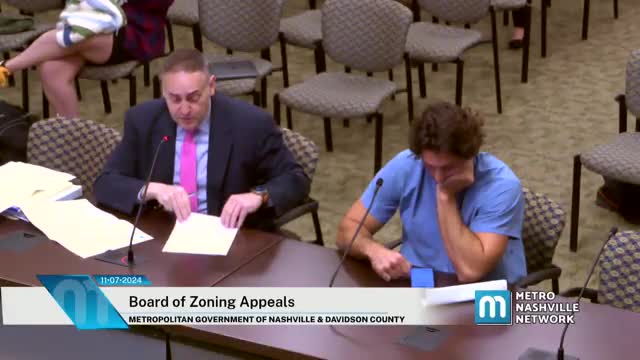
The first case involved a homeowner seeking a variance to build a house in its original footprint, which had been challenged due to zoning setbacks. A construction lawyer representing the homeowner argued that the physical characteristics of the property, including topography and existing tree lines, created a hardship that justified the variance. The zoning administrator had determined a front setback of 190 feet, but the lawyer contended that the current pattern of development in the area was inconsistent with this requirement.
Several members of the board expressed support for the variance, noting the importance of considering the unique characteristics of the lot. One board member praised the zoning administrator for handling the case appropriately and acknowledged the homeowner's intention to mitigate runoff conditions with the proposed construction. Ultimately, the board unanimously approved the variance, allowing the homeowner to proceed with the project as requested.
The second case presented involved a request from Henred Centennial Development LLC to retain a fence that had been constructed in violation of street setback requirements. The appellant's case was met with opposition, indicating potential community concerns regarding the fence's placement. The board began reviewing the details of this case, with plans to hear arguments from both sides in the upcoming discussions.
These cases underscore the ongoing challenges faced by property owners navigating zoning laws and the critical role of local government in balancing development needs with community standards.
View the Full Meeting & All Its Details
This article offers just a summary. Unlock complete video, transcripts, and insights as a Founder Member.
30-day money-back guarantee
Sponsors
Proudly supported by sponsors who keep Tennessee articles free in 2026

