Congressman confronts officials over child welfare failures
This article was created by AI summarizing key points discussed. AI makes mistakes, so for full details and context, please refer to the video of the full meeting. Please report any errors so we can fix them. Report an error »
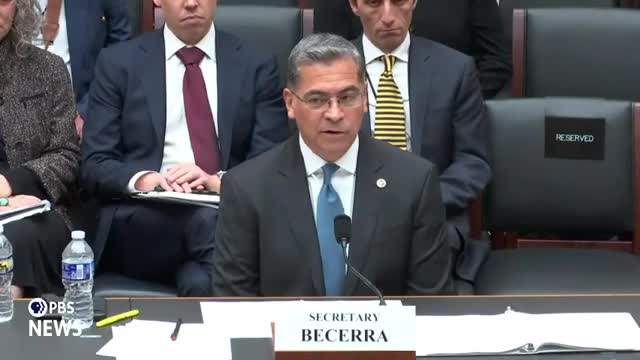
In a recent congressional meeting, lawmakers scrutinized the handling of unaccompanied minors in Florida, raising serious concerns about the adequacy of home studies and the placement of vulnerable children. A particular focus was placed on a troubling report that highlighted incidents involving minors being placed in inappropriate environments, including a strip club in Jacksonville.
During the discussions, a congressman questioned the effectiveness of case managers, revealing that only 4.5% of placements involved home studies, with discretionary studies at a mere 1%. This prompted a heated exchange regarding the legal obligations of the Department of Homeland Security and Health and Human Services (HHS) to conduct these assessments. Officials defended their practices, stating that home studies are mandated only for children exhibiting signs of trauma or requiring additional services, as dictated by existing laws.
The conversation also touched on the lack of coordination between federal agencies and state authorities in Florida regarding the resettlement of unaccompanied minors. Lawmakers expressed disbelief over claims that the federal government was not actively consulting with state officials, citing previous programs that had successfully utilized licensed care facilities.
As the meeting progressed, officials were urged to provide clarity on their disputes with the Florida report, with lawmakers demanding accountability and transparency in the treatment of unaccompanied children. The discussions underscored the ongoing challenges in ensuring the safety and well-being of minors in federal care, highlighting a critical need for improved oversight and collaboration between state and federal entities.
During the discussions, a congressman questioned the effectiveness of case managers, revealing that only 4.5% of placements involved home studies, with discretionary studies at a mere 1%. This prompted a heated exchange regarding the legal obligations of the Department of Homeland Security and Health and Human Services (HHS) to conduct these assessments. Officials defended their practices, stating that home studies are mandated only for children exhibiting signs of trauma or requiring additional services, as dictated by existing laws.
The conversation also touched on the lack of coordination between federal agencies and state authorities in Florida regarding the resettlement of unaccompanied minors. Lawmakers expressed disbelief over claims that the federal government was not actively consulting with state officials, citing previous programs that had successfully utilized licensed care facilities.
As the meeting progressed, officials were urged to provide clarity on their disputes with the Florida report, with lawmakers demanding accountability and transparency in the treatment of unaccompanied children. The discussions underscored the ongoing challenges in ensuring the safety and well-being of minors in federal care, highlighting a critical need for improved oversight and collaboration between state and federal entities.
View the Full Meeting & All Its Details
This article offers just a summary. Unlock complete video, transcripts, and insights as a Founder Member.
✓
Watch full, unedited meeting videos
✓
Search every word spoken in unlimited transcripts
✓
AI summaries & real-time alerts (all government levels)
✓
Permanent access to expanding government content
30-day money-back guarantee
