Lawmakers demand urgent reforms for unaccompanied minors safety
This article was created by AI summarizing key points discussed. AI makes mistakes, so for full details and context, please refer to the video of the full meeting. Please report any errors so we can fix them. Report an error »
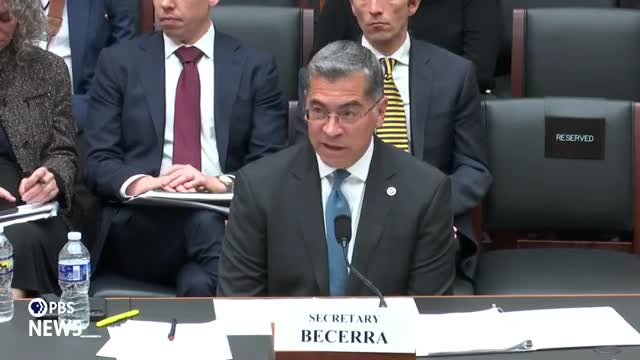
In a recent government meeting, discussions centered on the challenges faced by unaccompanied minors at the U.S. southern border, highlighting the complexities of their care and the legal framework governing their treatment. The Secretary of Homeland Security emphasized the importance of not detaining children in adult facilities, citing legal mandates and the need for appropriate care to help these vulnerable individuals heal from trauma.
The Secretary noted that the Department of Homeland Security has made significant strides in providing post-release services, reaching 100% of children released to vetted sponsors, a marked improvement from just 20% in 2021. However, concerns were raised about the adequacy of background checks for sponsors, with some lawmakers arguing that current regulations allow individuals with criminal records to sponsor children, potentially putting them at risk.
Critics of the current system expressed alarm over the lack of stringent vetting processes, arguing that the rules in place are insufficient to protect children from exploitation. They pointed to tragic cases where children have gone missing or have been placed in dangerous situations due to inadequate oversight. The meeting underscored a bipartisan acknowledgment of the need for reform, with calls for better resources and communication between agencies to ensure the safety of unaccompanied minors.
As the debate continues, the urgency for a comprehensive approach to address the welfare of these children remains a pressing issue for lawmakers, advocates, and the Department of Homeland Security alike.
The Secretary noted that the Department of Homeland Security has made significant strides in providing post-release services, reaching 100% of children released to vetted sponsors, a marked improvement from just 20% in 2021. However, concerns were raised about the adequacy of background checks for sponsors, with some lawmakers arguing that current regulations allow individuals with criminal records to sponsor children, potentially putting them at risk.
Critics of the current system expressed alarm over the lack of stringent vetting processes, arguing that the rules in place are insufficient to protect children from exploitation. They pointed to tragic cases where children have gone missing or have been placed in dangerous situations due to inadequate oversight. The meeting underscored a bipartisan acknowledgment of the need for reform, with calls for better resources and communication between agencies to ensure the safety of unaccompanied minors.
As the debate continues, the urgency for a comprehensive approach to address the welfare of these children remains a pressing issue for lawmakers, advocates, and the Department of Homeland Security alike.
View the Full Meeting & All Its Details
This article offers just a summary. Unlock complete video, transcripts, and insights as a Founder Member.
✓
Watch full, unedited meeting videos
✓
Search every word spoken in unlimited transcripts
✓
AI summaries & real-time alerts (all government levels)
✓
Permanent access to expanding government content
30-day money-back guarantee
