HHS faces scrutiny over lost unaccompanied children crisis
This article was created by AI summarizing key points discussed. AI makes mistakes, so for full details and context, please refer to the video of the full meeting. Please report any errors so we can fix them. Report an error »
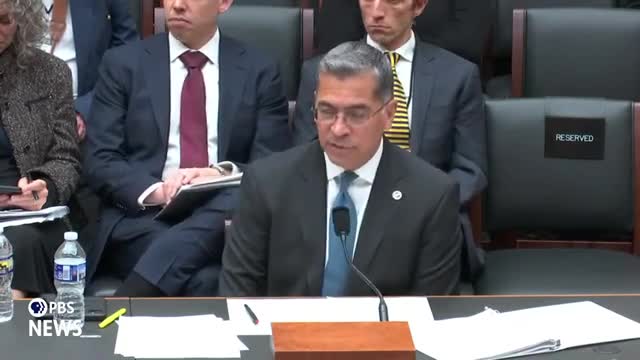
In a recent government meeting, officials discussed critical updates regarding the care and protection of unaccompanied children entering the United States. The Department of Health and Human Services (HHS) has implemented new regulations aimed at enhancing the safety and well-being of these vulnerable minors, particularly in light of the ongoing challenges posed by migration driven by violence, political unrest, and climate change.
The meeting highlighted the comprehensive assessments conducted for each child placed in HHS care by the Department of Homeland Security. These assessments focus on both physical and mental health needs, ensuring that children receive appropriate professional services. The officials emphasized the importance of tailored support, especially for younger children who may require more intensive care.
A significant point of discussion was the new regulations that codify protections mandated by the Flores settlement, which governs the treatment of unaccompanied minors. These regulations include mandatory background checks for caregivers, an essential measure to ensure the safety of children. Additionally, the establishment of an ombudsman office was noted, providing a platform for reporting concerns independently from the agency's operations.
As the conversation shifted to future challenges, officials acknowledged the unpredictability of migration patterns and the potential for surges in unaccompanied minors at the border. They outlined preparations in place, including partnerships with care providers and the establishment of emergency influx facilities to accommodate sudden increases in child arrivals.
Concerns were raised regarding the alarming number of unaccounted children, with reports indicating that over 85,000 unaccompanied minors have been lost in recent years. This statistic has sparked criticism of the current administration's ability to manage the situation effectively.
The meeting underscored the ongoing commitment of HHS to improve the systems in place for unaccompanied children, while also acknowledging the significant challenges that remain in ensuring their safety and well-being amidst a complex and evolving migration landscape.
The meeting highlighted the comprehensive assessments conducted for each child placed in HHS care by the Department of Homeland Security. These assessments focus on both physical and mental health needs, ensuring that children receive appropriate professional services. The officials emphasized the importance of tailored support, especially for younger children who may require more intensive care.
A significant point of discussion was the new regulations that codify protections mandated by the Flores settlement, which governs the treatment of unaccompanied minors. These regulations include mandatory background checks for caregivers, an essential measure to ensure the safety of children. Additionally, the establishment of an ombudsman office was noted, providing a platform for reporting concerns independently from the agency's operations.
As the conversation shifted to future challenges, officials acknowledged the unpredictability of migration patterns and the potential for surges in unaccompanied minors at the border. They outlined preparations in place, including partnerships with care providers and the establishment of emergency influx facilities to accommodate sudden increases in child arrivals.
Concerns were raised regarding the alarming number of unaccounted children, with reports indicating that over 85,000 unaccompanied minors have been lost in recent years. This statistic has sparked criticism of the current administration's ability to manage the situation effectively.
The meeting underscored the ongoing commitment of HHS to improve the systems in place for unaccompanied children, while also acknowledging the significant challenges that remain in ensuring their safety and well-being amidst a complex and evolving migration landscape.
View the Full Meeting & All Its Details
This article offers just a summary. Unlock complete video, transcripts, and insights as a Founder Member.
✓
Watch full, unedited meeting videos
✓
Search every word spoken in unlimited transcripts
✓
AI summaries & real-time alerts (all government levels)
✓
Permanent access to expanding government content
30-day money-back guarantee
