Biden administration reshapes refugee program sparking controversy
This article was created by AI summarizing key points discussed. AI makes mistakes, so for full details and context, please refer to the video of the full meeting. Please report any errors so we can fix them. Report an error »
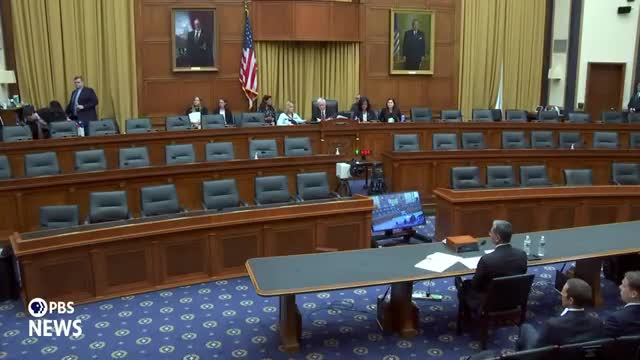
In a recent government meeting, significant discussions centered around the Biden-Harris administration's refugee resettlement policies, which have sparked controversy and debate. Critics argue that the current approach diverges from traditional practices, emphasizing a shift in how refugees are defined and supported.
The administration's introduction of the \"Welcome Core\" program in January 2023 allows U.S. permanent residents and non-citizens to sponsor non-citizens for refugee status. This has raised concerns among some lawmakers who believe it undermines the value of U.S. citizenship and borders. They argue that this policy could lead to a dilution of what it means to be an American citizen, likening it to a country club membership where non-members can invite others without restrictions.
Statistics presented during the meeting highlighted a dramatic increase in refugee admissions under the Biden administration, with over 100,000 refugees welcomed in the past year, the highest number in three decades, compared to approximately 12,000 in 2020 under the Trump administration. This surge has led to claims that the needs of new arrivals are prioritized over those of existing American citizens, particularly in areas governed by Democratic leadership.
Additionally, the \"New Americans Partnership\" initiative was discussed, which aims to assist refugees with housing needs. Critics questioned why the focus is on new arrivals when many Americans are struggling with housing and economic challenges in their own communities.
The meeting concluded with a call for a reevaluation of these policies, emphasizing the need to prioritize American citizens and address their concerns. The ongoing debate reflects broader tensions regarding immigration policy and national identity in the United States.
The administration's introduction of the \"Welcome Core\" program in January 2023 allows U.S. permanent residents and non-citizens to sponsor non-citizens for refugee status. This has raised concerns among some lawmakers who believe it undermines the value of U.S. citizenship and borders. They argue that this policy could lead to a dilution of what it means to be an American citizen, likening it to a country club membership where non-members can invite others without restrictions.
Statistics presented during the meeting highlighted a dramatic increase in refugee admissions under the Biden administration, with over 100,000 refugees welcomed in the past year, the highest number in three decades, compared to approximately 12,000 in 2020 under the Trump administration. This surge has led to claims that the needs of new arrivals are prioritized over those of existing American citizens, particularly in areas governed by Democratic leadership.
Additionally, the \"New Americans Partnership\" initiative was discussed, which aims to assist refugees with housing needs. Critics questioned why the focus is on new arrivals when many Americans are struggling with housing and economic challenges in their own communities.
The meeting concluded with a call for a reevaluation of these policies, emphasizing the need to prioritize American citizens and address their concerns. The ongoing debate reflects broader tensions regarding immigration policy and national identity in the United States.
View the Full Meeting & All Its Details
This article offers just a summary. Unlock complete video, transcripts, and insights as a Founder Member.
✓
Watch full, unedited meeting videos
✓
Search every word spoken in unlimited transcripts
✓
AI summaries & real-time alerts (all government levels)
✓
Permanent access to expanding government content
30-day money-back guarantee
