Childcare Crisis Deepens as Workforce Shortages Loom
November 13, 2024 | Pinal County, Arizona
This article was created by AI summarizing key points discussed. AI makes mistakes, so for full details and context, please refer to the video of the full meeting. Please report any errors so we can fix them. Report an error »
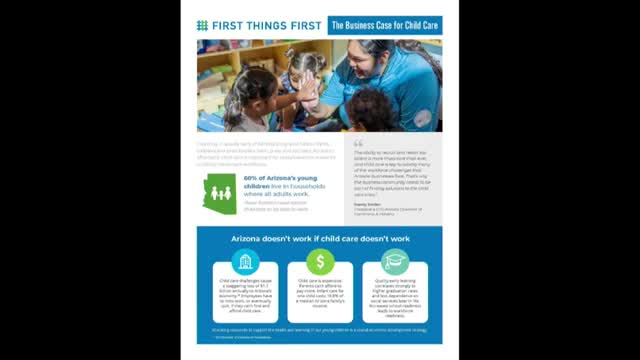
Dawn Wilkinson, a contractor with Enhancing Early Childhood, presented alarming statistics about the childcare gap in Pinal County, which currently stands at 71.5%. She noted that the county is classified as a childcare desert, with insufficient facilities to accommodate the growing number of children, particularly as new housing developments emerge. Many families are forced to seek childcare in neighboring Maricopa County, leading to a workforce drain as they remain there for employment.
Wilkinson pointed out that staffing shortages are exacerbating the crisis, with many childcare programs unable to operate at full capacity due to difficulties in attracting and retaining qualified staff. The median wage for childcare providers in Arizona hovers around $14 to $15 per hour, which is often insufficient to sustain a living, resulting in over half of providers qualifying for public assistance.
The meeting underscored the urgent need for public funding to address the broken business model of childcare, which has become increasingly unaffordable for families. In Pinal County, the annual cost for infant care is approximately $10,602, requiring a household income of $151,000 to meet the federal affordability standard of 7% of income. Without intervention, the situation is expected to worsen, with potential closures of existing programs.
To combat these challenges, officials are exploring the establishment of a network of home care providers and enhancing the capacity of existing childcare facilities to meet the demands of a 24/7 workforce. The meeting concluded with a call for community involvement and support to develop sustainable solutions for the childcare crisis, ensuring that parents can work, children can learn, and the local economy can thrive.
View the Full Meeting & All Its Details
This article offers just a summary. Unlock complete video, transcripts, and insights as a Founder Member.
30-day money-back guarantee
Sponsors
Proudly supported by sponsors who keep Arizona articles free in 2026

