US pushes for accountability as Iran nuclear tensions escalate
This article was created by AI summarizing key points discussed. AI makes mistakes, so for full details and context, please refer to the video of the full meeting. Please report any errors so we can fix them. Report an error »
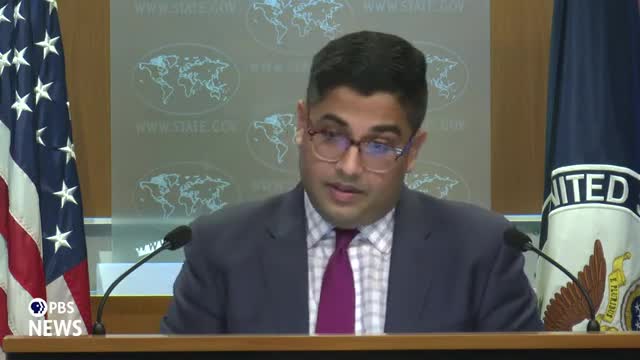
In a recent government meeting, discussions centered on Iran's nuclear activities and the implications of the International Atomic Energy Agency (IAEA) Director General Rafael Grossi's upcoming visit to a nuclear facility in Athens. This visit marks a significant development, as it is the first of its kind, raising questions about Iran's potential shift in behavior regarding its nuclear program.
Officials expressed caution in interpreting Iran's actions as definitive signs of change. The focus remains on tangible behavior changes rather than mere indications of willingness to cooperate. The U.S. government reiterated its commitment to preventing Iran from acquiring nuclear weapons, emphasizing that all options remain on the table to achieve this goal.
The meeting also highlighted the escalating tensions surrounding Iran's nuclear program, with officials noting Iran's history of non-cooperation with the IAEA on longstanding issues. In response to these concerns, the E3 nations (France, Germany, and the UK) are expected to propose a resolution against Iran at the upcoming IAEA Board of Governors meeting. The U.S. has confirmed its strong support for these efforts, emphasizing the importance of holding Iran accountable.
As the situation develops, officials remain focused on ensuring Iran's full cooperation with the IAEA, underscoring the urgency of addressing the ongoing nuclear challenges posed by the country.
Officials expressed caution in interpreting Iran's actions as definitive signs of change. The focus remains on tangible behavior changes rather than mere indications of willingness to cooperate. The U.S. government reiterated its commitment to preventing Iran from acquiring nuclear weapons, emphasizing that all options remain on the table to achieve this goal.
The meeting also highlighted the escalating tensions surrounding Iran's nuclear program, with officials noting Iran's history of non-cooperation with the IAEA on longstanding issues. In response to these concerns, the E3 nations (France, Germany, and the UK) are expected to propose a resolution against Iran at the upcoming IAEA Board of Governors meeting. The U.S. has confirmed its strong support for these efforts, emphasizing the importance of holding Iran accountable.
As the situation develops, officials remain focused on ensuring Iran's full cooperation with the IAEA, underscoring the urgency of addressing the ongoing nuclear challenges posed by the country.
Don't Miss a Word: See the Full Meeting!
Go beyond summaries. Unlock every video, transcript, and key insight with a Founder Membership.
✓
Get instant access to full meeting videos
✓
Search and clip any phrase from complete transcripts
✓
Receive AI-powered summaries & custom alerts
✓
Enjoy lifetime, unrestricted access to government data
30-day money-back guarantee
