City Council Faces Backlash Over Controversial Development Proposal
November 14, 2024 | Harrisville City Council, Harrisville , Weber County, Utah
This article was created by AI summarizing key points discussed. AI makes mistakes, so for full details and context, please refer to the video of the full meeting. Please report any errors so we can fix them. Report an error »
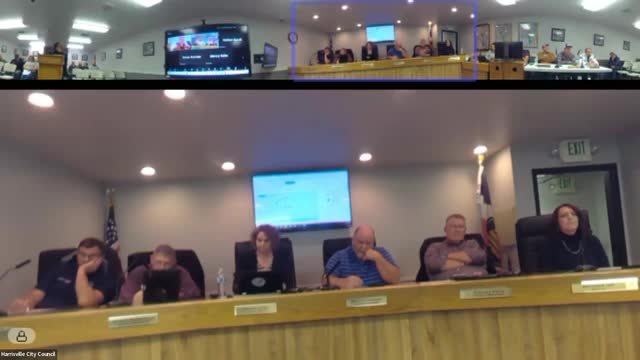
One resident highlighted a troubling incident involving a developer who had previously exhausted funds allocated for a project and sought additional borrowing, raising questions about accountability and risk management. The speaker emphasized that the financial burden should rest with developers rather than future homeowners, urging council members to consider the long-term implications of their decisions on the community.
Another resident, Manny Lynch, expressed strong opposition to the PID, citing three main concerns: the lack of impartial financial oversight, the already high tax burden on residents, and the strain that additional housing would place on local infrastructure. Lynch pointed out that the current tax rates in Weber County are among the highest in Utah, and adding more homes could exacerbate these financial pressures without guaranteeing timely sales to repay development loans.
The council was reminded that approving the PID would create a new taxing district with one of the highest mill rates in the area, potentially leading to a significant tax increase for residents. This shift from traditional development financing, where developers cover infrastructure costs, to a model relying on taxpayer funding was framed as a critical policy change that could affect the community's financial landscape for years to come.
As discussions continue, residents are urged to consider the broader implications of the proposed PID, including its potential impact on future citizens of Harrisville and the overall quality of life in the area. The council's decision on this matter will be pivotal in shaping the city's development strategy and financial health moving forward.
Don't Miss a Word: See the Full Meeting!
Go beyond summaries. Unlock every video, transcript, and key insight with a Founder Membership.
30-day money-back guarantee
Sponsors
Proudly supported by sponsors who keep Utah articles free in 2026

Excel Chiropractic

