Court Ruling Sparks Controversy Over Lease Termination Dispute
November 13, 2024 | Judicial - Appeals Court Oral Arguments, Judicial, Massachusetts
This article was created by AI summarizing key points discussed. AI makes mistakes, so for full details and context, please refer to the video of the full meeting. Please report any errors so we can fix them. Report an error »
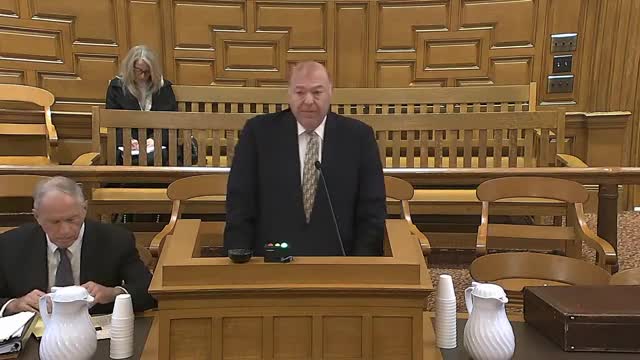
The plaintiff's attorney argued that the superior court failed to enforce a valid contract that explicitly required JFCS to seek consent from Brookline Bank before terminating the lease. The attorney emphasized that the termination notice sent by JFCS was a clear violation of this agreement, which had been acknowledged by JFCS in their response to the complaint.
The discussion highlighted the complexities surrounding the interpretation of the SNAA and its relationship to the lease. The attorney maintained that the breach of the SNAA was central to the case, asserting that JFCS could not terminate the lease without prior approval from the bank. However, the court raised questions about the bank's role and whether it could have objected to the termination, given that it had not missed any mortgage payments.
The dialogue revealed that the bank had relied on the plaintiff's assurances and had not been joined as a necessary party in the lawsuit, as it had not defaulted on the loan. The court probed the implications of the bank's lack of consent and whether damages could be claimed without evidence that the bank would have unreasonably withheld consent had it been requested.
Ultimately, the case underscores the importance of adhering to contractual obligations and the potential ramifications of failing to do so. The court's decision will hinge on the interpretation of the agreements involved and the extent to which the parties adhered to their contractual commitments.
View the Full Meeting & All Its Details
This article offers just a summary. Unlock complete video, transcripts, and insights as a Founder Member.
30-day money-back guarantee
Sponsors
Proudly supported by sponsors who keep Massachusetts articles free in 2026

