Building Plans Spark Debate Over Historic Property Variance
October 08, 2024 | Abilene, Taylor County, Texas
This article was created by AI summarizing key points discussed. AI makes mistakes, so for full details and context, please refer to the video of the full meeting. Please report any errors so we can fix them. Report an error »
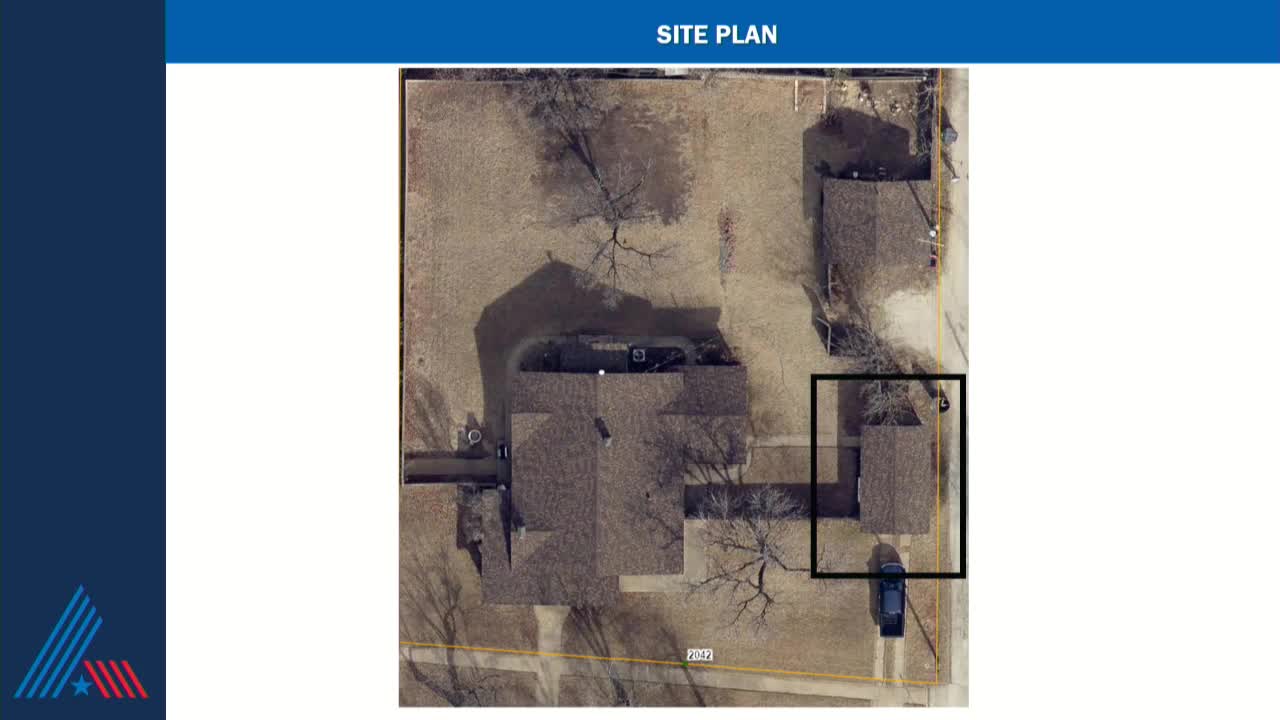
The city staff reported that notifications were sent to residents within a 200-foot radius of the property, resulting in one supportive response and no opposition. Staff reviewed the proposal under the land development code and found no apparent physical conditions that would create undue hardship. However, they noted a conflict between the accessory building setback requirements and the historic preservation guidelines, which aim to maintain the character of historic properties.
During the meeting, concerns were raised about the potential conflict between the land development code and the historic overlay requirements. It was clarified that while the variance would allow for a two-foot extension towards the house, the structure would remain aligned with the existing buildings along the alley. The planning staff indicated that if the variance is approved, Gallagher would need to submit building plans that ensure the new structure aligns with the historical integrity of the area.
The discussion highlighted the complexities of balancing development needs with historic preservation, as the committee navigated the nuances of the land development code and the implications of granting the requested variance. The outcome of the proposal remains pending further review and compliance with the necessary historic preservation standards.
Don't Miss a Word: See the Full Meeting!
Go beyond summaries. Unlock every video, transcript, and key insight with a Founder Membership.
30-day money-back guarantee
Sponsors
Proudly supported by sponsors who keep Texas articles free in 2026

