School board debates compensation amid fierce opposition
November 12, 2024 | Manitowoc School District, School Districts, Wisconsin
This article was created by AI summarizing key points discussed. AI makes mistakes, so for full details and context, please refer to the video of the full meeting. Please report any errors so we can fix them. Report an error »
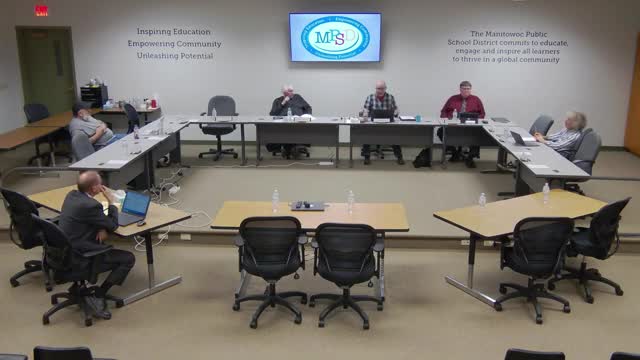
One board member expressed strong opposition to the idea of awarding compensation, emphasizing that the appearance of impropriety is as significant as impropriety itself. They argued that while future elected officials could be compensated, current members should not benefit from such a decision. This sentiment was echoed by others who voiced concerns about the implications of introducing pay for public service roles, suggesting it could lead to a slippery slope of increasing compensation demands.
The discussion also touched on the current compensation levels for city council members, which were noted to be around $450 per month, and the potential for attracting a wider pool of candidates if compensation were introduced. However, several members firmly believed that public service should remain voluntary and driven by a commitment to the community rather than financial incentives.
One board member passionately stated that they would not accept payment for their service, highlighting their personal sacrifices to fulfill their role. They argued that the current board is composed of dedicated individuals who are motivated by a desire to serve rather than financial gain.
The meeting concluded with a consensus that the decision on compensation should be made transparently and reflect the values of public service, with several members advocating for maintaining the integrity of the board's mission without the influence of monetary compensation.
Don't Miss a Word: See the Full Meeting!
Go beyond summaries. Unlock every video, transcript, and key insight with a Founder Membership.
30-day money-back guarantee
Sponsors
Proudly supported by sponsors who keep Wisconsin articles free in 2026

