Community Divided Over Cashless Ticketing Debate
October 24, 2024 | Prosser School District, School Districts, Washington
This article was created by AI summarizing key points discussed. AI makes mistakes, so for full details and context, please refer to the video of the full meeting. Please report any errors so we can fix them. Report an error »
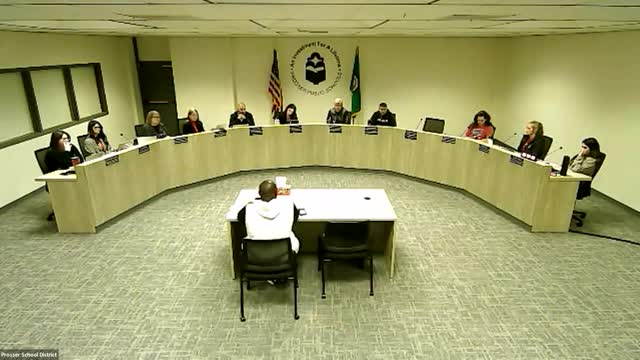
One participant expressed strong reservations about moving entirely to digital payments, emphasizing the importance of maintaining cash options for those who may struggle with technology, including older community members. They highlighted the potential exclusion of individuals who are not comfortable with online transactions, citing personal experiences with family members who would find it challenging to navigate digital ticket purchases.
The conversation also touched on the financial burden that digital transaction fees could impose on families attending multiple games. Concerns were raised about how these fees could accumulate over time, making it more expensive for families to support their children’s athletic activities. The participant argued that while digital options are beneficial, a balance must be struck to ensure that all community members can participate without financial strain.
Additionally, the group discussed the possibility of implementing a dual-line system at events, allowing for both cash and digital payments to accommodate different preferences. This approach was noted as a potential solution to ease the transition while still providing access to those who prefer cash.
The meeting also highlighted the importance of transparency regarding ticket revenue, with suggestions for signage to inform attendees that gate profits support local school athletics. This could help foster a sense of community and encourage more people to attend events, despite any associated costs.
As the discussion progressed, the idea of offering season passes was proposed as a way to incentivize attendance and reduce the frequency of cash transactions. This could potentially streamline the ticketing process and alleviate some of the concerns regarding cash handling.
Overall, the meeting underscored the need for careful consideration of community needs as the shift towards digital ticketing continues, ensuring that all voices are heard and that access to local events remains equitable.
Don't Miss a Word: See the Full Meeting!
Go beyond summaries. Unlock every video, transcript, and key insight with a Founder Membership.
30-day money-back guarantee
Sponsors
Proudly supported by sponsors who keep Washington articles free in 2026

