Council debates RV regulations amid housing crisis concerns
October 23, 2024 | Springfield, Lane County, Oregon
This article was created by AI summarizing key points discussed. AI makes mistakes, so for full details and context, please refer to the video of the full meeting. Please report any errors so we can fix them. Report an error »
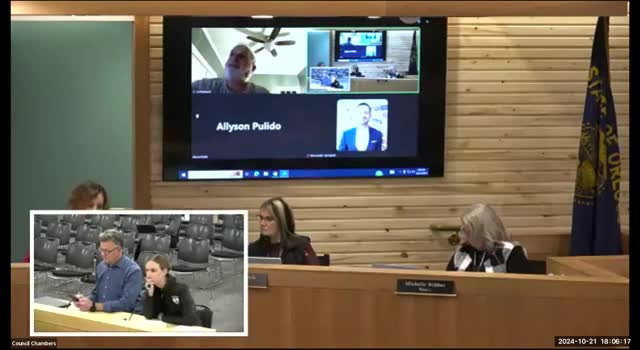
One council member raised a question about the procedural requirements for creating an ordinance related to RVs, specifically inquiring about the necessity of a public hearing. While it was clarified that a public hearing is not mandated by the charter or statute, it was suggested that leadership could direct such a hearing to ensure community engagement.
The discussion turned to the current state of RV registrations, revealing that only 33 registrations exist citywide, despite a clear indication that many more RVs are parked on private properties. This discrepancy raises concerns about compliance with existing regulations, particularly as nearly half of the registered RVs are reportedly being rented out, which contradicts the established rules.
Council members expressed frustration over the difficulties faced by code enforcement in managing RV-related issues. The lack of a mechanism to verify RV registrations complicates enforcement efforts, as code enforcement can only send letters requesting registration without any substantial follow-up actions. This has led to a situation where neighborhoods are increasingly burdened by unregistered and potentially non-compliant RVs, impacting property values and community aesthetics.
The council acknowledged the ongoing housing crisis and the role RVs play as temporary shelter for some families. However, there was a consensus that RVs are not intended for permanent residency, and the council is wary of establishing a framework that could inadvertently normalize long-term RV living.
Looking ahead, council members expressed a desire to schedule a work session to further explore these issues, including the potential for codifying regulations around RVs. They emphasized the need for a clearer understanding of community tolerance for RVs in neighborhoods and the implications of any new policies on local residents.
As the council prepares for further discussions, the focus remains on balancing the needs of individuals facing housing challenges with the rights and concerns of property owners and neighborhood integrity.
View the Full Meeting & All Its Details
This article offers just a summary. Unlock complete video, transcripts, and insights as a Founder Member.
30-day money-back guarantee
Sponsors
Proudly supported by sponsors who keep Oregon articles free in 2026

