Portland grapples with economic transformation post COVID
October 23, 2024 | Portland, Multnomah County, Oregon
This article was created by AI summarizing key points discussed. AI makes mistakes, so for full details and context, please refer to the video of the full meeting. Please report any errors so we can fix them. Report an error »
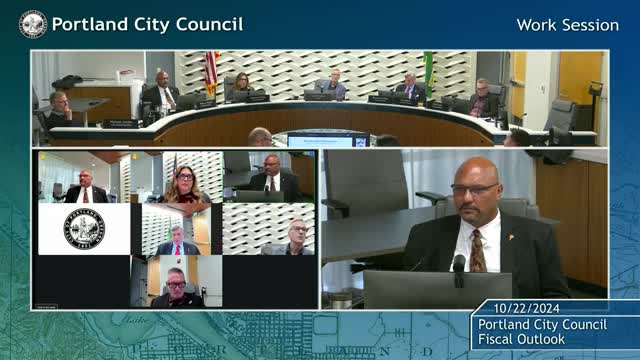
The conversation turned to the complexities of the tax system, with officials noting that Portland lacks a sales tax, a significant revenue source available to many other regions. This absence places a heavier burden on local taxpayers and complicates the city's financial landscape. The discussion also touched on the progressive nature of recent tax increases for high-income earners, raising questions about the desired direction of the tax system amidst ongoing budgetary pressures.
Transportation funding was another critical topic, with officials cautioning that local, state, and federal partnerships are essential for successful infrastructure development. They acknowledged uncertainties at both the state and federal levels that could affect local funding opportunities.
The meeting concluded with reflections on the lasting economic changes brought about by the COVID-19 pandemic. Officials debated whether the current economic landscape represents a temporary setback or a fundamental transformation. While some expressed hope for a return to pre-pandemic conditions, others suggested that the region might need to adapt to a new economic reality, potentially leading to innovative opportunities for growth.
View the Full Meeting & All Its Details
This article offers just a summary. Unlock complete video, transcripts, and insights as a Founder Member.
30-day money-back guarantee
Sponsors
Proudly supported by sponsors who keep Oregon articles free in 2026

