Editorial Independence at Risk as Major Newspapers Skip Endorsements
This article was created by AI summarizing key points discussed. AI makes mistakes, so for full details and context, please refer to the video of the full meeting. Please report any errors so we can fix them. Report an error »
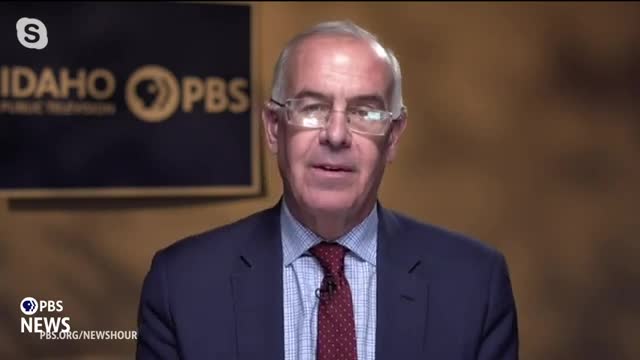
In a recent discussion among journalists regarding the editorial decisions of major newspapers, particularly the LA Times and the Washington Post, a notable sentiment of disappointment emerged over their choice not to endorse candidates in the upcoming presidential race. LZ, an op-ed columnist for the LA Times, expressed frustration, emphasizing that throughout his two-decade career in national politics, he has always witnessed newspapers making endorsements. He argued that the current political climate necessitates clear editorial stances, and the lack of endorsements from these influential publications does not align with the pressing issues facing the nation.
David, another participant in the conversation, echoed LZ's sentiments, highlighting the historical context of journalistic integrity. He noted that the separation between the business and editorial sides of newspapers—often referred to as a \"Chinese wall\"—is crucial for maintaining the integrity of reporting. He cautioned that when ownership influences editorial decisions, it undermines the credibility of the publication.
While David acknowledged that presidential endorsements may not hold the same weight as they once did, he stressed the importance of editorial independence. He pointed out that endorsements in local races and judicial elections still carry significant influence, as readers often rely on the judgment of established newspapers. However, he remarked that in presidential elections, public opinion is already well-formed, making the impact of such endorsements less critical.
The conversation reflects a broader concern within the journalism community about the implications of ownership decisions on editorial independence and the role of newspapers in shaping political discourse. As the election approaches, the absence of endorsements from these prominent outlets raises questions about their commitment to providing clear guidance to their readership during a pivotal moment in American politics.
David, another participant in the conversation, echoed LZ's sentiments, highlighting the historical context of journalistic integrity. He noted that the separation between the business and editorial sides of newspapers—often referred to as a \"Chinese wall\"—is crucial for maintaining the integrity of reporting. He cautioned that when ownership influences editorial decisions, it undermines the credibility of the publication.
While David acknowledged that presidential endorsements may not hold the same weight as they once did, he stressed the importance of editorial independence. He pointed out that endorsements in local races and judicial elections still carry significant influence, as readers often rely on the judgment of established newspapers. However, he remarked that in presidential elections, public opinion is already well-formed, making the impact of such endorsements less critical.
The conversation reflects a broader concern within the journalism community about the implications of ownership decisions on editorial independence and the role of newspapers in shaping political discourse. As the election approaches, the absence of endorsements from these prominent outlets raises questions about their commitment to providing clear guidance to their readership during a pivotal moment in American politics.
View the Full Meeting & All Its Details
This article offers just a summary. Unlock complete video, transcripts, and insights as a Founder Member.
✓
Watch full, unedited meeting videos
✓
Search every word spoken in unlimited transcripts
✓
AI summaries & real-time alerts (all government levels)
✓
Permanent access to expanding government content
30-day money-back guarantee
