Environmental Impact Sparks Controversy Over New Development
October 25, 2024 | Half Moon Bay, Half Moon Bay City, San Mateo County, California
This article was created by AI summarizing key points discussed. AI makes mistakes, so for full details and context, please refer to the video of the full meeting. Please report any errors so we can fix them. Report an error »
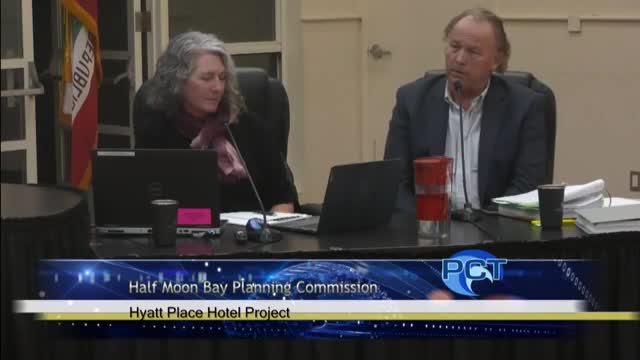
Key points of contention revolved around the project's size and design changes, which were made in response to initial concerns about aesthetics. Officials acknowledged that while the project had undergone significant modifications, it still posed a substantial change to the existing visual character of the site. One member emphasized that the determination of \"substantial degradation\" was not a subjective judgment of beauty but rather a legal assessment based on CEQA guidelines, which require a comparison of the proposed project against existing conditions.
The discussion also touched on the challenges of quantifying visual impacts, with officials noting the importance of considering how visible the project would be from various vantage points, particularly along the highway. The conversation underscored the need for a conservative approach in evaluating potential impacts, with some members expressing that a more cautious stance was necessary to avoid legal repercussions.
As the meeting progressed, officials explored the concept of \"overriding considerations,\" a provision within CEQA that allows for the approval of projects despite significant environmental impacts if certain benefits are deemed to outweigh those impacts. This aspect of the law was noted as a common practice in previous projects within Half Moon Bay, indicating a precedent for navigating similar challenges in the future.
Overall, the meeting reflected the complexities of urban planning and environmental regulation, as officials sought to reconcile community development with the preservation of Half Moon Bay's unique character.
View the Full Meeting & All Its Details
This article offers just a summary. Unlock complete video, transcripts, and insights as a Founder Member.
30-day money-back guarantee
Sponsors
Proudly supported by sponsors who keep California articles free in 2026

