Mayor supports Tesla project despite leadership concerns
October 23, 2024 | Saint Helena, Napa County, California
This article was created by AI summarizing key points discussed. AI makes mistakes, so for full details and context, please refer to the video of the full meeting. Please report any errors so we can fix them. Report an error »
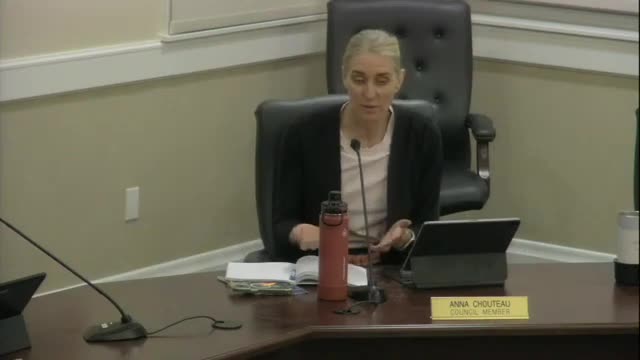
Community feedback was also a significant part of the discussion. Resident Gary Rose emphasized that the proposed changes would not result in a net loss of parking spaces, as the new EV stations would replace existing spaces rather than eliminate them. This point was reinforced by another resident, Paul Pugh, who cautioned the council to consider the long-term viability of Tesla and the evolving landscape of automotive technology, including the potential shift towards hydrogen fuel cells.
The council members engaged in a detailed dialogue about the practicalities of EV charging, including the differences between Level 2 and Level 3 charging systems. They noted that while Level 2 chargers are commonly used at home, Level 3 chargers could significantly reduce charging time, which is crucial for municipal services like the police department that rely on electric vehicles.
As the meeting progressed, the council expressed a desire to review the licensing agreement for the project before finalizing any decisions, ensuring that the community's interests are adequately protected. The discussions underscored a broader commitment to adapting to the growing demand for EV infrastructure while navigating the complexities of current automotive trends.
View the Full Meeting & All Its Details
This article offers just a summary. Unlock complete video, transcripts, and insights as a Founder Member.
30-day money-back guarantee
Sponsors
Proudly supported by sponsors who keep California articles free in 2026

