Zoning Changes Spark Controversy Over Business Regulations
October 25, 2024 | Salt Lake City Council, Salt Lake City, Salt Lake County, Utah
This article was created by AI summarizing key points discussed. AI makes mistakes, so for full details and context, please refer to the video of the full meeting. Please report any errors so we can fix them. Report an error »
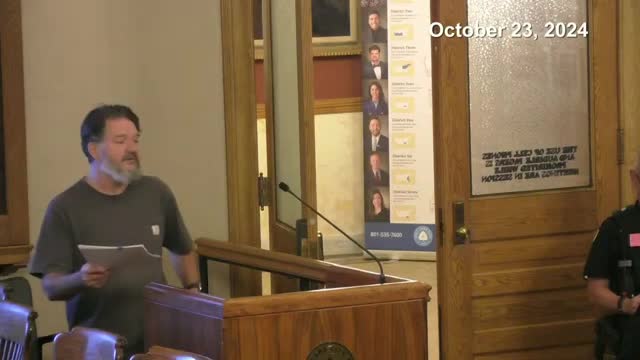
Adam Goff, an attorney representing Madbrook Donut Company, expressed support for the proposed transitional overlay for nonconforming uses but raised concerns that the current proposals do not adequately address the challenges faced by businesses operating in nonconforming structures. Goff emphasized that while their bakery is an approved use in the Mixed Use (MU) zone, the building itself does not conform to current standards. He urged the commission to consider extending the proposed changes to include businesses like his that face similar challenges.
Ian Percy, representing Highboy Ventures, voiced concerns about potential reductions in building height from 75 feet to 50 feet due to the proposed consolidation of zoning regulations. He requested a grace period for projects that have already invested significant resources in design and entitlements, allowing them to proceed under existing regulations before the new rules take effect.
The meeting also addressed public concerns regarding zero setbacks, the impact of large buildings on smaller historic structures, and the need for bird-friendly design. The commission acknowledged these issues and indicated that a grace period for existing projects could be considered, potentially lasting six months.
In response to questions about setbacks from historic buildings, the commission confirmed that special setbacks would be imposed for landmark buildings under 50 feet, requiring new constructions to step back at a 45-degree angle. However, no additional ground-level setbacks were proposed.
The discussions underscored the delicate balance between encouraging development and preserving the character of existing neighborhoods, particularly as the city navigates the complexities of zoning regulations and their impact on local businesses and historic sites.
View the Full Meeting & All Its Details
This article offers just a summary. Unlock complete video, transcripts, and insights as a Founder Member.
30-day money-back guarantee
Sponsors
Proudly supported by sponsors who keep Utah articles free in 2026

