Biden administration revamps Title IX to protect all students
September 19, 2024 | D C Everest Area School District, School Districts, Wisconsin
This article was created by AI summarizing key points discussed. AI makes mistakes, so for full details and context, please refer to the video of the full meeting. Please report any errors so we can fix them. Report an error »
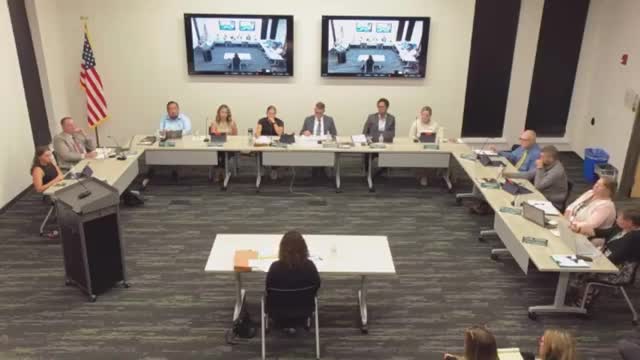
The meeting highlighted that the 2020 regulations primarily focused on complaint processes without addressing broader issues, prompting President Biden to challenge the Department of Education shortly after his inauguration. He requested feedback from both higher education and K-12 institutions to understand the challenges posed by the 2020 rules and to clarify how Title IX should be interpreted in light of recent Supreme Court rulings, particularly the Bostock case.
The new regulations incorporate this feedback, with 95% of the language dedicated to refining complaint and investigation processes. Notably, they aim to alleviate burdens on smaller school districts that struggled to meet the previous requirements for Title IX coordinators and decision-makers.
Additionally, the new regulations introduce critical updates, including provisions against pregnancy discrimination and expanded definitions of sex to encompass transgender and gender nonconforming individuals, as well as sexual orientation. These changes align with existing legal precedents in Wisconsin, which have mandated non-discrimination based on gender identity since 2017.
As a result of these regulatory updates, school districts are now required to adopt new policies to ensure compliance with the revised Title IX framework. The meeting underscored the ongoing evolution of Title IX and its implications for educational institutions across the country.
View the Full Meeting & All Its Details
This article offers just a summary. Unlock complete video, transcripts, and insights as a Founder Member.
30-day money-back guarantee
Sponsors
Proudly supported by sponsors who keep Wisconsin articles free in 2026

