Community Launches Computer Skills Classes to Bridge Digital Divide
October 08, 2024 | Wake County Schools, School Districts, North Carolina
This article was created by AI summarizing key points discussed. AI makes mistakes, so for full details and context, please refer to the video of the full meeting. Please report any errors so we can fix them. Report an error »
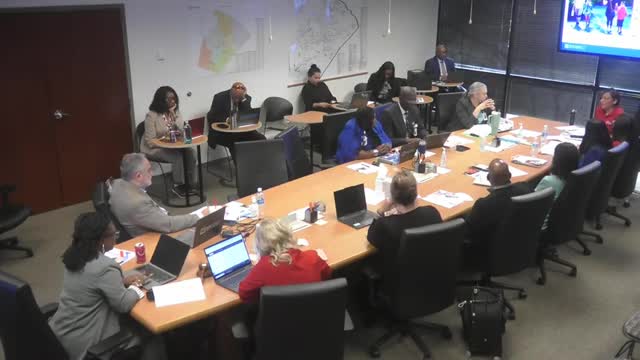
The discussion emphasized the importance of partnerships, particularly with the Museum of Life and Science in Durham, which has facilitated STEM projects aimed at engaging entire families, not just children. One notable initiative, supported by NASA, has successfully brought 40 families to educational events, fostering a collaborative learning environment. The museum's membership program incentivizes families to participate in science-related activities, enhancing their educational experience.
Additionally, the meeting underscored ongoing collaborations with Wake Technical Community College, which provides digital literacy classes and scholarships for Mexican nationals. This partnership has proven beneficial, as Wake Tech also donates computers to support the community's educational needs.
As the meeting concluded, participants expressed a collective desire for improved access to decentralized school systems to further expand these vital programs. The discussions reflected a shared commitment to enhancing educational opportunities for families, ensuring they have the necessary resources to thrive in an increasingly digital world.
Don't Miss a Word: See the Full Meeting!
Go beyond summaries. Unlock every video, transcript, and key insight with a Founder Membership.
30-day money-back guarantee
Sponsors
Proudly supported by sponsors who keep North Carolina articles free in 2026

