School Board Plans Major Cell Phone Policy Overhaul
October 08, 2024 | HOPKINS PUBLIC SCHOOL DISTRICT, School Boards, Minnesota
This article was created by AI summarizing key points discussed. AI makes mistakes, so for full details and context, please refer to the video of the full meeting. Please report any errors so we can fix them. Report an error »
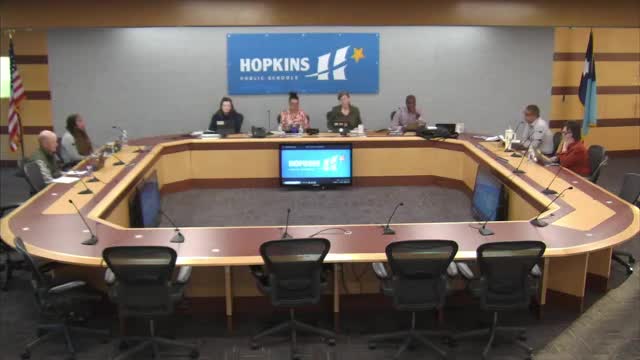
Participants emphasized the need for better outreach to encourage community engagement, particularly through social media and website updates. Suggestions included enhancing signage at meetings to clarify the process for public comments and ensuring that community members are informed about changes in a timely manner. The group agreed to allocate a half-hour at the beginning of meetings for public comments, prioritizing those related to agenda items, and to alternate between in-person and voicemail comments.
The meeting also focused on the timeline for reviewing and implementing a new cell phone policy, which is required by March 2025. Assistant Superintendent Lightfoot outlined a draft timeline that includes opportunities for public input and collaboration with educators. The board is considering an earlier implementation date for the policy, potentially at the start of the second semester, to proactively address concerns and prepare students and parents for the changes.
Board members discussed the importance of engaging parents in the policy development process, suggesting informational sessions to prepare families for the new rules. They also highlighted the need for clear communication about the policy's key changes, proposing creative methods such as videos to explain the new guidelines effectively.
The conversation underscored the significance of gathering feedback from teachers and the community to ensure the policy is well-received and effectively implemented. Board members expressed a desire for research-backed recommendations on the policy's impact on student behavior and academic performance, emphasizing the importance of framing the policy as a reform rather than a ban on cell phone use.
Overall, the meeting reflected a commitment to transparency and community involvement in shaping policies that affect students and families.
Don't Miss a Word: See the Full Meeting!
Go beyond summaries. Unlock every video, transcript, and key insight with a Founder Membership.
30-day money-back guarantee
Sponsors
Proudly supported by sponsors who keep Minnesota articles free in 2026

