Council member protests candidate selection amid bipartisan tensions
October 21, 2024 | Greenwich School District, School Districts, Connecticut
This article was created by AI summarizing key points discussed. AI makes mistakes, so for full details and context, please refer to the video of the full meeting. Please report any errors so we can fix them. Report an error »
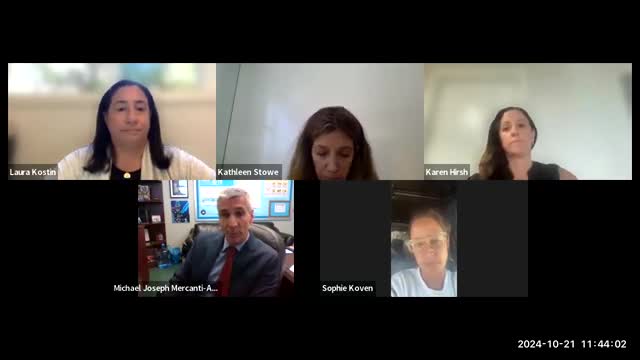
The dissenting member emphasized the unusual nature of the decision-making process, noting that the chosen candidate was not one they were willing to work with. This sentiment was echoed by the absence of two other members who could not attend the meeting, raising concerns about the timing of the emergency session during the workday.
The member criticized the decision as a departure from the expected collaborative spirit of their small-town bipartisan system, likening the maneuvering to tactics employed by prominent national politicians. The situation underscores the challenges of consensus-building in local governance and the potential for discord when key decisions are made without full participation from all stakeholders.
View the Full Meeting & All Its Details
This article offers just a summary. Unlock complete video, transcripts, and insights as a Founder Member.
30-day money-back guarantee
Sponsors
Proudly supported by sponsors who keep Connecticut articles free in 2026

