City faces backlash over controversial zoning code changes
September 17, 2024 | Pleasant Grove City Council, Pleasant Grove, Utah County, Utah
This article was created by AI summarizing key points discussed. AI makes mistakes, so for full details and context, please refer to the video of the full meeting. Please report any errors so we can fix them. Report an error »
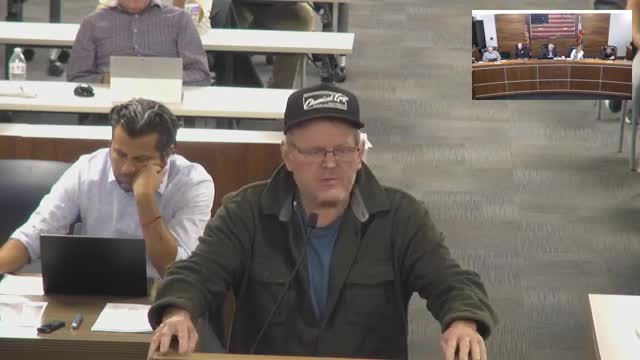
Nathan Densley, a resident, expressed alarm that the new code contradicts commitments made to secure state transportation funding. He highlighted that Pleasant Grove had pledged to enhance zoning flexibility and reduce setback requirements to promote affordable housing. However, the proposed amendments would increase front setbacks by 20% and double side setbacks, which Densley argued would limit buildable area and contradict the city’s stated goals.
Densley also pointed out that the amendments would reduce the number of potential lots from three to one per stem, leading to larger, more expensive lots instead of smaller, more affordable options. He questioned the implications of adopting a code that conflicts with the city’s commitments to the state.
Brooke Alexander, a new resident, shared her personal experience, noting that the proposed changes would eliminate her family's opportunity to develop a flag lot on their property, making homeownership less attainable. She urged the council to consider the broader impact on families seeking affordable housing in Pleasant Grove.
Jacob Zantz echoed these sentiments, arguing that restricting flag lots would hinder the creation of affordable housing and exacerbate rising property prices. He criticized the proposed reduction of potential lots as a \"sledgehammer approach,\" advocating instead for targeted solutions to address specific community concerns without limiting housing options.
The discussions highlighted a growing tension between zoning regulations and the need for affordable housing, with residents urging the council to reconsider the implications of the proposed amendments on the community's future.
View the Full Meeting & All Its Details
This article offers just a summary. Unlock complete video, transcripts, and insights as a Founder Member.
30-day money-back guarantee
Sponsors
Proudly supported by sponsors who keep Utah articles free in 2026

