Legislature faces backlash over proposed judicial changes
This article was created by AI summarizing key points discussed. AI makes mistakes, so for full details and context, please refer to the video of the full meeting. Please report any errors so we can fix them. Report an error »
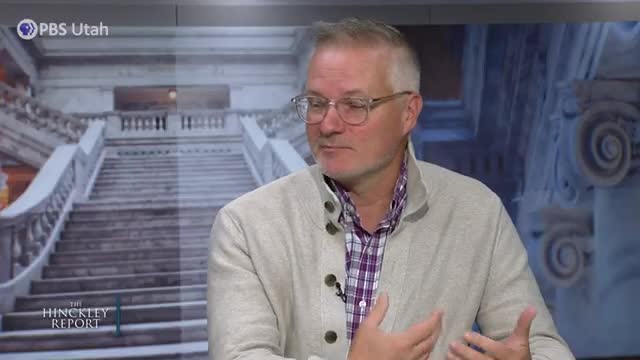
In a recent government meeting, discussions centered around potential changes to the judiciary and upcoming ballot initiatives, reflecting a growing tension between legislative and judicial branches in the state. Key topics included the possibility of implementing term limits for judges, expanding the state supreme court, and revisiting confirmation hearings before retention elections. These discussions arise amid frustrations expressed by Republican leadership regarding the judiciary's influence.
The meeting also highlighted two constitutional amendments, labeled B and C, which are expected to pass without significant opposition, as they have not been challenged and are deemed non-controversial. In contrast, amendments A and D will appear on the ballot but will not count due to prior legislative actions that have drawn public ire.
Participants noted a palpable frustration among constituents regarding the legislative process, particularly concerning the initiative process. Polling indicates that over 90% of Utah residents support the ballot initiative system, with a strong sentiment that politicians are not adequately listening to voters. This dissatisfaction could have electoral repercussions for legislators if they proceed with changes that undermine public initiatives.
Additionally, the meeting underscored the importance of Amendment B, which aims to increase funding for schools without imposing costs on taxpayers, while also involving parents in funding allocation decisions. As the legislative session approaches, there is a clear call for lawmakers to tread carefully in their dealings with both the judiciary and the electorate to avoid exacerbating public discontent.
The meeting also highlighted two constitutional amendments, labeled B and C, which are expected to pass without significant opposition, as they have not been challenged and are deemed non-controversial. In contrast, amendments A and D will appear on the ballot but will not count due to prior legislative actions that have drawn public ire.
Participants noted a palpable frustration among constituents regarding the legislative process, particularly concerning the initiative process. Polling indicates that over 90% of Utah residents support the ballot initiative system, with a strong sentiment that politicians are not adequately listening to voters. This dissatisfaction could have electoral repercussions for legislators if they proceed with changes that undermine public initiatives.
Additionally, the meeting underscored the importance of Amendment B, which aims to increase funding for schools without imposing costs on taxpayers, while also involving parents in funding allocation decisions. As the legislative session approaches, there is a clear call for lawmakers to tread carefully in their dealings with both the judiciary and the electorate to avoid exacerbating public discontent.
View the Full Meeting & All Its Details
This article offers just a summary. Unlock complete video, transcripts, and insights as a Founder Member.
✓
Watch full, unedited meeting videos
✓
Search every word spoken in unlimited transcripts
✓
AI summaries & real-time alerts (all government levels)
✓
Permanent access to expanding government content
30-day money-back guarantee
