Housing Plan Sparks Debate Over Traffic and Safety Concerns
October 17, 2024 | Atherton Town, San Mateo County, California
This article was created by AI summarizing key points discussed. AI makes mistakes, so for full details and context, please refer to the video of the full meeting. Please report any errors so we can fix them. Report an error »
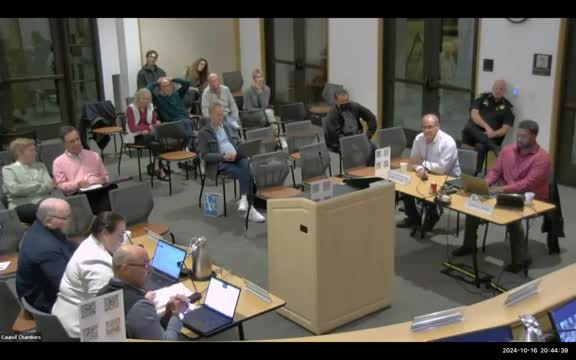
A significant point raised was the limitations imposed by the California Environmental Quality Act (CEQA), which prohibits requiring new project applicants to mitigate existing traffic impacts. This means that while public comments highlighted unsafe conditions at certain intersections, these issues cannot be attributed to new developments, as they predate any new projects. However, any new developments that contribute to traffic congestion will undergo a specific analysis to assess their impact and required mitigations.
The meeting also touched on the Regional Housing Needs Allocation (RHNA) and the current status of the RM 10 program, which has faced scrutiny for not adequately addressing RHNA requirements. Officials clarified that while the RM 10 program does not currently meet these requirements, it is not entirely inaccurate to assert that it does not support fair housing initiatives. The historical context of Atherton as a single-family zoned community plays a role in this assessment, as diversification of zoning is a key focus for the Housing and Community Development Department (HCD).
Furthermore, the discussion highlighted the importance of collaboration with regional bodies such as the Association of Bay Area Governments (ABAG) and the Metropolitan Transportation Commission (MTC), which provide funding for necessary infrastructure improvements. This collaboration is crucial for addressing the cumulative impacts of development across jurisdictions, ensuring that traffic and housing challenges are managed effectively.
Overall, the meeting underscored the complexities of balancing housing development with community safety and environmental regulations, as officials navigate the challenges posed by existing conditions and regional planning requirements.
View the Full Meeting & All Its Details
This article offers just a summary. Unlock complete video, transcripts, and insights as a Founder Member.
30-day money-back guarantee
Sponsors
Proudly supported by sponsors who keep California articles free in 2026

