School Redistricting Sparks Heated Debate on Student Impact
September 16, 2024 | Stratford School District, School Districts, Connecticut
This article was created by AI summarizing key points discussed. AI makes mistakes, so for full details and context, please refer to the video of the full meeting. Please report any errors so we can fix them. Report an error »
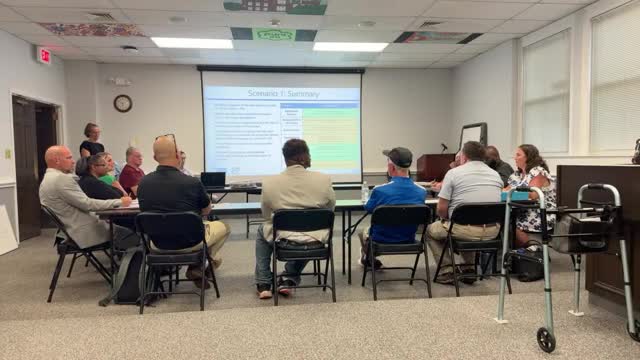
Key points of discussion included the potential impact of shifting satellite zones, particularly concerning Chapel School, which is currently not expected to see significant changes in student numbers. Under the proposed Scenario 1, the committee analyzed projected enrollment shifts, revealing that while some schools would gain students, others like Johnson House and Second Hill Lane would experience substantial declines, necessitating urgent relief measures.
The committee emphasized the importance of considering equity in the decision-making process, particularly regarding grandfathering policies for current students and the implications of transportation logistics. Concerns were raised about the fairness of allowing only families with means to transport their children to remain at their current schools, highlighting the need for a balanced approach that serves all families equitably.
Additionally, discussions touched on the necessity of maintaining racial balance within schools while managing enrollment numbers. The committee acknowledged the challenges of achieving a 50/50 balance between middle and high schools, with some scenarios performing better than others in terms of demographic equity.
As the committee moves forward, they aim to finalize decisions by January to allow families ample time to prepare for any changes. The overarching goal remains to create a more equitable and efficient school system that meets the needs of all students while minimizing transportation costs and logistical challenges.
View the Full Meeting & All Its Details
This article offers just a summary. Unlock complete video, transcripts, and insights as a Founder Member.
30-day money-back guarantee
Sponsors
Proudly supported by sponsors who keep Connecticut articles free in 2026

