Community divided over controversial Iris Avenue road project
September 19, 2024 | Boulder, Boulder County, Colorado
This article was created by AI summarizing key points discussed. AI makes mistakes, so for full details and context, please refer to the video of the full meeting. Please report any errors so we can fix them. Report an error »
One resident, Pete Oleson, expressed dissatisfaction with the project, arguing that combining cyclists with heavy traffic on Iris could lead to dangerous conditions. He urged the council to pause the project and reconsider the design, suggesting that cycling paths be relocated to less congested streets. Oleson also called for an independent environmental impact and traffic study to ensure transparency and address community concerns.
Michael Ledesma, a member of the Community Cycles Advocacy Committee, countered the fears of catastrophic delays, emphasizing that the debate should focus on whether the safety benefits of the road rebalancing outweigh the potential inconvenience. He defended the integrity of city traffic engineers, asserting that their expertise should guide the decision-making process.
Barbara Gordon, another resident, voiced her opposition to the road diet, citing safety issues and the potential for increased traffic congestion. She urged the council to consider incremental solutions rather than committing to a costly project that many in the community oppose.
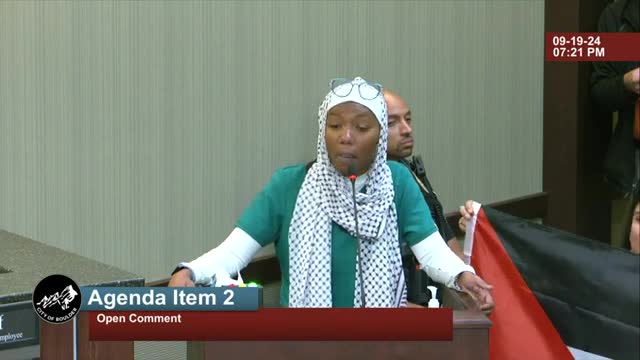
The meeting also featured a poignant moment when a speaker raised concerns about racial profiling by police in Boulder, suggesting that the treatment of community members may be influenced by their appearance.
As the council prepares to make decisions regarding the Iris Avenue project, the discussions reflect a community divided on the balance between safety improvements and traffic management, with calls for further evaluation and consideration of alternative solutions.
View the Full Meeting & All Its Details
This article offers just a summary. Unlock complete video, transcripts, and insights as a Founder Member.
30-day money-back guarantee
Sponsors
Proudly supported by sponsors who keep Colorado articles free in 2026

