Child's Future Hangs in Balance Amid Parental Rights Battle
October 02, 2024 | Judicial - Appeals Court Oral Arguments, Judicial, Massachusetts
This article was created by AI summarizing key points discussed. AI makes mistakes, so for full details and context, please refer to the video of the full meeting. Please report any errors so we can fix them. Report an error »
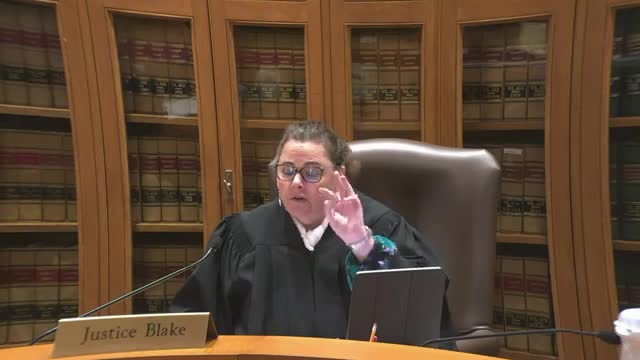
Kiser emphasized that DCF failed to provide a concrete plan for Child 2's upbringing, instead offering only a vague hope that the child would be adopted by her foster parents—who had previously requested her removal due to behavioral issues. Kiser pointed out that the trial court's findings lacked detailed, child-specific facts, which are crucial in such cases. She argued that the judgment effectively rendered Child 2 a legal orphan, currently residing in institutional care without a clear resolution in sight.
The discussion also touched on the lack of evidence supporting the foster parents' readiness to adopt Child 2. Kiser noted that the DCF's testimony was based on hope rather than certainty, and the absence of a written adoption plan further complicated the case. She called for the court to reverse the termination judgment and remand the case for further evaluation of the mother's rights and a more detailed adoption plan.
Attorney Colin Kaffrey, representing the appellant mother, echoed these concerns, asserting that the termination of parental rights was not in the best interest of Child 2. He highlighted the child's desire to return home and criticized the court for not adequately considering the mother's bond with her child, which persisted even after removal. Kaffrey argued that the evidence presented at trial did not support the conclusion that the adoption plan was viable or in the child's best interest.
In response, Attorney Julie Gallup, representing DCF, defended the termination decision, citing the mother's unaddressed substance abuse issues and lack of consistent visitation. She argued that the court's findings were based on the information available at the time, asserting that the foster parents were willing to adopt Child 2.
The hearing underscored the complexities involved in child welfare cases, particularly the balance between parental rights and the best interests of the child. The court's decision is pending, with implications for Child 2's future and the responsibilities of DCF in providing a viable adoption plan.
View the Full Meeting & All Its Details
This article offers just a summary. Unlock complete video, transcripts, and insights as a Founder Member.
30-day money-back guarantee
Sponsors
Proudly supported by sponsors who keep Massachusetts articles free in 2026

