Curbside Collection Debate Sparks Community Concerns
October 08, 2024 | Lexington County, South Carolina
This article was created by AI summarizing key points discussed. AI makes mistakes, so for full details and context, please refer to the video of the full meeting. Please report any errors so we can fix them. Report an error »
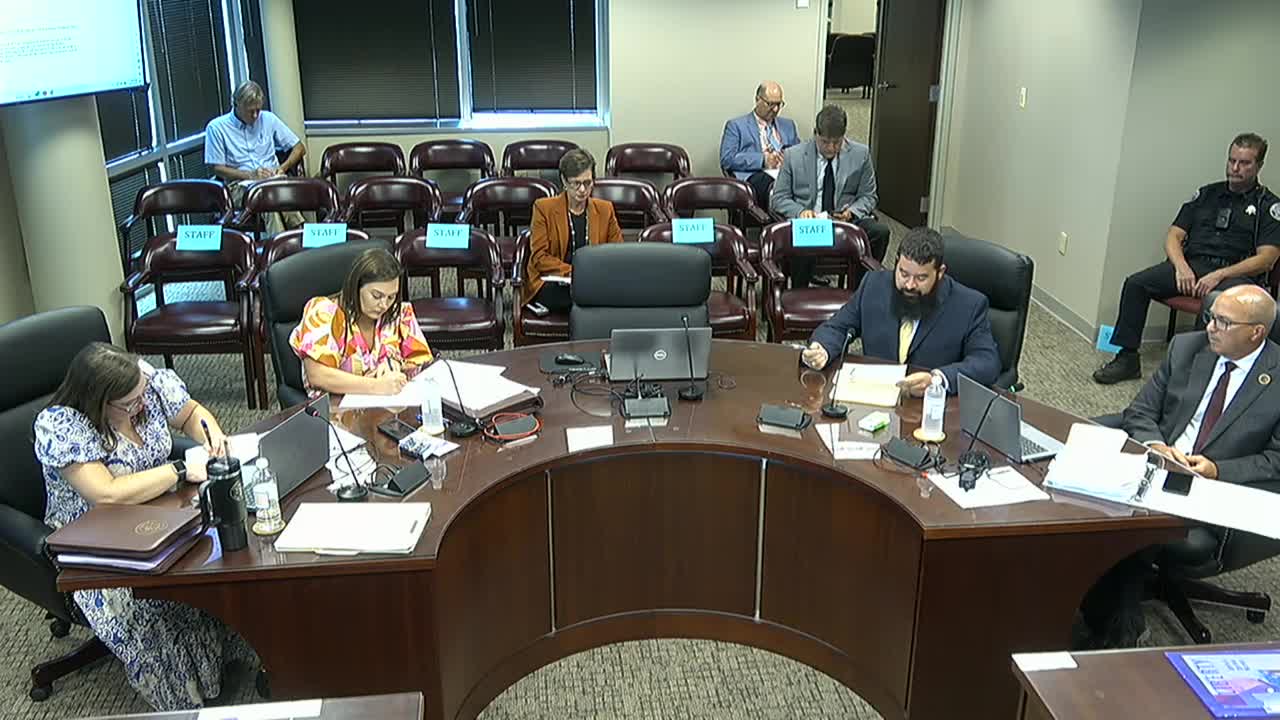
During a recent government meeting, officials discussed the structure and effectiveness of curbside waste management across various districts in the county. The meeting revealed significant disparities in the number of homes served by each of the seven curbside districts, with the smallest district encompassing 9,200 homes and the largest housing approximately 21,000 homes. Areas 5, 6, and 7, which include South Congaree, Pine Ridge, Gaston, Red Bank, Pillion, Fairview, Gilbert Summit, and Batesburg, were identified as the largest districts, each consistently serving between 19,000 to 21,000 homes.
Officials acknowledged the need for a visual representation of these districts, including a map detailing household collections for each area. This request aims to enhance public understanding of the waste management system.
The meeting also addressed the prevalence of mandatory curbside programs in South Carolina, noting that only three counties—Richland, Marion, and Marlborough—have such programs in place. Richland County offers a comprehensive service that includes weekly household trash and yard waste collection, along with bi-weekly recycling, at an annual cost of $368. In contrast, Marion and Marlborough counties provide more limited services, focusing solely on household garbage collection, with annual fees of $228 and $235, respectively.
The discussion highlighted the importance of understanding the number of collection centers available in relation to the population served. For instance, Williamsburg County, with a population of 30,000, operates nearly double the number of collection centers compared to the county in question, raising concerns about the adequacy of local services.
Overall, the meeting underscored the complexities of waste management logistics and the need for improved infrastructure to meet the demands of residents effectively. Further research and data collection were proposed to better inform future decisions regarding waste management policies and practices.
Officials acknowledged the need for a visual representation of these districts, including a map detailing household collections for each area. This request aims to enhance public understanding of the waste management system.
The meeting also addressed the prevalence of mandatory curbside programs in South Carolina, noting that only three counties—Richland, Marion, and Marlborough—have such programs in place. Richland County offers a comprehensive service that includes weekly household trash and yard waste collection, along with bi-weekly recycling, at an annual cost of $368. In contrast, Marion and Marlborough counties provide more limited services, focusing solely on household garbage collection, with annual fees of $228 and $235, respectively.
The discussion highlighted the importance of understanding the number of collection centers available in relation to the population served. For instance, Williamsburg County, with a population of 30,000, operates nearly double the number of collection centers compared to the county in question, raising concerns about the adequacy of local services.
Overall, the meeting underscored the complexities of waste management logistics and the need for improved infrastructure to meet the demands of residents effectively. Further research and data collection were proposed to better inform future decisions regarding waste management policies and practices.
Don't Miss a Word: See the Full Meeting!
Go beyond summaries. Unlock every video, transcript, and key insight with a Founder Membership.
✓
Get instant access to full meeting videos
✓
Search and clip any phrase from complete transcripts
✓
Receive AI-powered summaries & custom alerts
✓
Enjoy lifetime, unrestricted access to government data
30-day money-back guarantee
