School Board Faces Backlash Over Boundary Changes
September 12, 2024 | Issaquah School District, School Districts, Washington
This article was created by AI summarizing key points discussed. AI makes mistakes, so for full details and context, please refer to the video of the full meeting. Please report any errors so we can fix them. Report an error »
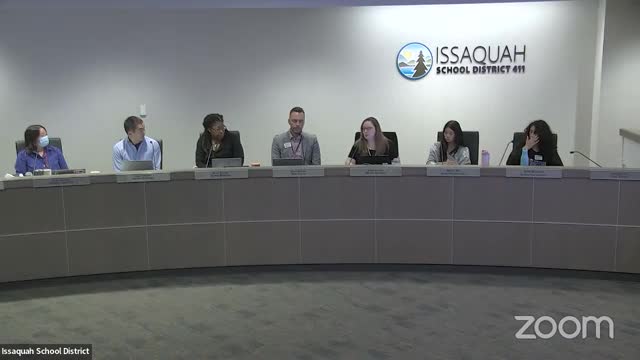
The discussion also touched on the challenges faced in the past few years, particularly regarding school calendars and boundary changes, which were described as sources of unnecessary distress. Board members acknowledged the need for a more structured approach to boundary discussions, suggesting that a review process could serve as a safeguard against potential issues.
As the meeting progressed, members debated what constitutes a significant boundary change, with suggestions ranging from affecting over 100 to 500 students. The consensus leaned towards ensuring that only substantial changes warrant community engagement, while minor adjustments could be managed without extensive input.
In closing, the board agreed to task consultants with developing language that would formalize these discussions, aiming to create a framework that balances district needs with community representation. The meeting underscored a commitment to evolving into a more inclusive and responsive organization, reflecting on past missteps to improve future decision-making processes.
Don't Miss a Word: See the Full Meeting!
Go beyond summaries. Unlock every video, transcript, and key insight with a Founder Membership.
30-day money-back guarantee
Sponsors
Proudly supported by sponsors who keep Washington articles free in 2026

