State Fails Foster Children Amid TANF Mismanagement Crisis
September 24, 2024 | Ways and Means: House Committee, Standing Committees - House & Senate, Congressional Hearings Compilation, Legislative, Federal
This article was created by AI summarizing key points discussed. AI makes mistakes, so for full details and context, please refer to the video of the full meeting. Please report any errors so we can fix them. Report an error »
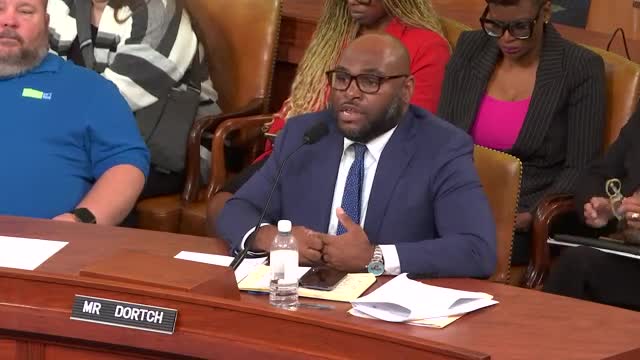
In a recent government meeting, significant concerns were raised regarding Mississippi's Temporary Assistance for Needy Families (TANF) program and its impact on vulnerable populations. Witnesses highlighted the state's failure to adequately support families in need, with only 4% of eligible individuals receiving direct TANF benefits. This alarming statistic was framed as a reflection of systemic barriers that prevent access to essential assistance.
Critics pointed out that Mississippi has consistently neglected to invest in its welfare programs, often diverting funds from TANF to meet court-ordered obligations for foster care, rather than allocating state resources. The state was previously cited for its inadequate care of foster children, leading to a court mandate to invest $1 billion in hiring additional caseworkers—a commitment that has not been fulfilled.
The meeting also addressed the broader context of welfare programs, with discussions on the complexity and duplication of over 80 safety net programs costing taxpayers more than $1 trillion annually. Witnesses emphasized the need for better coordination among these programs to ensure families can navigate the system effectively.
Furthermore, the conversation touched on the unique role of TANF in promoting self-sufficiency through work participation requirements and time limits. Advocates called for improved data collection on outcomes to enhance transparency and drive better results for families relying on these programs.
The meeting concluded with a call to action for state officials to prioritize the needs of families and ensure that welfare programs are effectively serving their intended purpose. The presence of advocacy groups, such as the Black Women's Roundtable of Mississippi and the Children's Defense Fund, underscored the community's commitment to addressing these pressing issues.
Critics pointed out that Mississippi has consistently neglected to invest in its welfare programs, often diverting funds from TANF to meet court-ordered obligations for foster care, rather than allocating state resources. The state was previously cited for its inadequate care of foster children, leading to a court mandate to invest $1 billion in hiring additional caseworkers—a commitment that has not been fulfilled.
The meeting also addressed the broader context of welfare programs, with discussions on the complexity and duplication of over 80 safety net programs costing taxpayers more than $1 trillion annually. Witnesses emphasized the need for better coordination among these programs to ensure families can navigate the system effectively.
Furthermore, the conversation touched on the unique role of TANF in promoting self-sufficiency through work participation requirements and time limits. Advocates called for improved data collection on outcomes to enhance transparency and drive better results for families relying on these programs.
The meeting concluded with a call to action for state officials to prioritize the needs of families and ensure that welfare programs are effectively serving their intended purpose. The presence of advocacy groups, such as the Black Women's Roundtable of Mississippi and the Children's Defense Fund, underscored the community's commitment to addressing these pressing issues.
View the Full Meeting & All Its Details
This article offers just a summary. Unlock complete video, transcripts, and insights as a Founder Member.
✓
Watch full, unedited meeting videos
✓
Search every word spoken in unlimited transcripts
✓
AI summaries & real-time alerts (all government levels)
✓
Permanent access to expanding government content
30-day money-back guarantee
