Lawmakers push for reforms to tackle poverty wages
September 24, 2024 | Ways and Means: House Committee, Standing Committees - House & Senate, Congressional Hearings Compilation, Legislative, Federal
This article was created by AI summarizing key points discussed. AI makes mistakes, so for full details and context, please refer to the video of the full meeting. Please report any errors so we can fix them. Report an error »
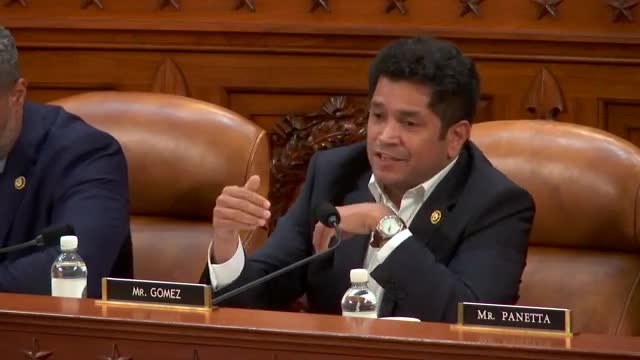
During a recent government meeting, lawmakers engaged in a critical discussion regarding the Temporary Assistance for Needy Families (TANF) program and its effectiveness in supporting low-income families. Concerns were raised about the significant amount of unspent TANF funds, which have reportedly increased from $4 billion to $9 billion since 2015. This situation has prompted calls for reform, including the introduction of the Improved Transparency and Stability for Families and Children Act (H.R. 7410), aimed at ensuring states utilize TANF funds within a specified timeframe.
One participant highlighted the need for collaboration across party lines to enhance support for working-class families, questioning whether current TANF allocations genuinely reflect a commitment to aiding those in need. The discussion also touched on the broader implications of low wages, particularly for tipped workers, with one lawmaker advocating for the elimination of the subminimum wage of $2.13 per hour, labeling it a relic of outdated policies.
The meeting underscored the impact of direct cash assistance on economic stability, with references to the Child Tax Credit's success in lifting families out of poverty. Lawmakers emphasized the importance of not only providing financial support but also ensuring that jobs offer livable wages, as many service sector positions currently pay insufficiently to cover basic living expenses.
Overall, the meeting highlighted a growing consensus on the need for reform in welfare programs and wage policies to better support vulnerable populations and stimulate local economies.
One participant highlighted the need for collaboration across party lines to enhance support for working-class families, questioning whether current TANF allocations genuinely reflect a commitment to aiding those in need. The discussion also touched on the broader implications of low wages, particularly for tipped workers, with one lawmaker advocating for the elimination of the subminimum wage of $2.13 per hour, labeling it a relic of outdated policies.
The meeting underscored the impact of direct cash assistance on economic stability, with references to the Child Tax Credit's success in lifting families out of poverty. Lawmakers emphasized the importance of not only providing financial support but also ensuring that jobs offer livable wages, as many service sector positions currently pay insufficiently to cover basic living expenses.
Overall, the meeting highlighted a growing consensus on the need for reform in welfare programs and wage policies to better support vulnerable populations and stimulate local economies.
View the Full Meeting & All Its Details
This article offers just a summary. Unlock complete video, transcripts, and insights as a Founder Member.
✓
Watch full, unedited meeting videos
✓
Search every word spoken in unlimited transcripts
✓
AI summaries & real-time alerts (all government levels)
✓
Permanent access to expanding government content
30-day money-back guarantee
