VA Faces Scrutiny Over Delayed Co Payments Impacting Veterans
September 19, 2024 | Veterans Affairs: House Committee, Standing Committees - House & Senate, Congressional Hearings Compilation, Legislative, Federal
This article was created by AI summarizing key points discussed. AI makes mistakes, so for full details and context, please refer to the video of the full meeting. Please report any errors so we can fix them. Report an error »
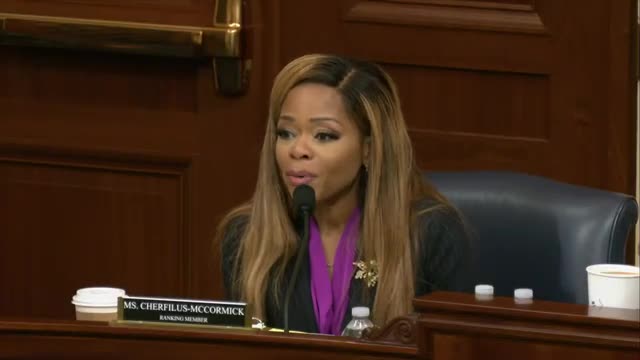
During a recent government meeting, significant concerns were raised regarding the impact of delayed co-pay collections on veterans due to a pause in the program integrity efforts at the Department of Veterans Affairs (VA). Officials discussed the backlog of outstanding co-pays, some dating back over a year, and the potential financial strain this could impose on veterans, particularly those on fixed incomes.
The VA acknowledged that while the total amount collected from first-party co-pays is relatively small—$31 million in 2022 and $40 million in 2023—there is a pressing need to understand how these delays affect individual veterans. The discussion highlighted that many veterans, especially those service-connected or eligible based on income, are exempt from co-pays, but those who are not may face significant financial burdens.
Officials indicated that they are currently working to gather data on the number and amount of outstanding co-pays and are exploring regulatory changes that could allow for more proactive relief measures for veterans. The VA emphasized its commitment to working closely with veterans to inform them of their rights and assist them in managing their debts.
Concerns were also voiced about the potential for veterans to receive unexpected bills for care provided long ago, which could further complicate their financial situations. The VA is reportedly considering options to waive certain debts but noted that additional regulatory authority would be necessary to implement such measures effectively.
The meeting underscored the importance of ensuring that veterans are not unduly burdened by financial obligations resulting from administrative delays, particularly as the VA continues to modernize its IT systems. The dialogue reflects a broader commitment to prioritize veterans' welfare while navigating the complexities of debt collection and program integrity.
The VA acknowledged that while the total amount collected from first-party co-pays is relatively small—$31 million in 2022 and $40 million in 2023—there is a pressing need to understand how these delays affect individual veterans. The discussion highlighted that many veterans, especially those service-connected or eligible based on income, are exempt from co-pays, but those who are not may face significant financial burdens.
Officials indicated that they are currently working to gather data on the number and amount of outstanding co-pays and are exploring regulatory changes that could allow for more proactive relief measures for veterans. The VA emphasized its commitment to working closely with veterans to inform them of their rights and assist them in managing their debts.
Concerns were also voiced about the potential for veterans to receive unexpected bills for care provided long ago, which could further complicate their financial situations. The VA is reportedly considering options to waive certain debts but noted that additional regulatory authority would be necessary to implement such measures effectively.
The meeting underscored the importance of ensuring that veterans are not unduly burdened by financial obligations resulting from administrative delays, particularly as the VA continues to modernize its IT systems. The dialogue reflects a broader commitment to prioritize veterans' welfare while navigating the complexities of debt collection and program integrity.
Don't Miss a Word: See the Full Meeting!
Go beyond summaries. Unlock every video, transcript, and key insight with a Founder Membership.
✓
Get instant access to full meeting videos
✓
Search and clip any phrase from complete transcripts
✓
Receive AI-powered summaries & custom alerts
✓
Enjoy lifetime, unrestricted access to government data
30-day money-back guarantee
