Tribes push for land access amid cultural preservation debate
September 18, 2024 | Natural Resources: House Committee, Standing Committees - House & Senate, Congressional Hearings Compilation, Legislative, Federal
This article was created by AI summarizing key points discussed. AI makes mistakes, so for full details and context, please refer to the video of the full meeting. Please report any errors so we can fix them. Report an error »
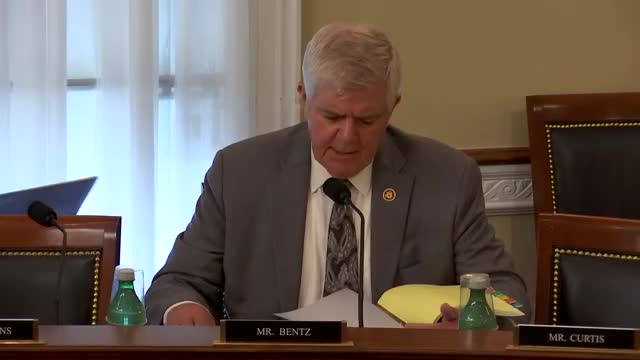
In a recent government meeting, discussions centered around proposed legislation aimed at enhancing the rights of Native tribes concerning access to culturally significant lands within national parks. The bill, identified as HR 1479, seeks to establish protections for traditional cultural and religious sites, particularly in areas like Chiricahua National Park.
A key point raised during the meeting was the need for clarity on whether the proposed language in the bill would apply solely to the specific park mentioned or could be extended to other national parks across the country. Witnesses emphasized that while the bill is focused on Chiricahua, it lays the groundwork for broader protections that recognize the historical and cultural significance of various lands to Native peoples nationwide.
Concerns were voiced regarding the potential for conflicts between tribal rights and public access to these lands. One representative recounted a town hall meeting where constituents expressed frustration over being barred from traditional hunting grounds due to tribal activities. This highlighted the ongoing tension between preserving indigenous rights and ensuring public access to federal lands.
Witnesses argued that certain areas may need to be temporarily closed for ceremonial purposes, akin to how religious ceremonies are conducted in churches. They stressed that these closures would not be permanent and would not impede public enjoyment of the parks, but rather allow for the continuation of cultural practices that have existed for generations.
The meeting also touched on the implications of granting specific rights to one group over another, particularly in relation to the Appalachian Trail. Some representatives cautioned against establishing a precedent that could complicate national trail management and relationships with various stakeholders, including tribes.
Overall, the discussions underscored the importance of balancing the rights of Native tribes with public access to national parks, as well as the need for ongoing dialogue to address these complex issues. The proposed amendments aim to ensure that traditional practices are respected while maintaining the integrity of public lands for all users.
A key point raised during the meeting was the need for clarity on whether the proposed language in the bill would apply solely to the specific park mentioned or could be extended to other national parks across the country. Witnesses emphasized that while the bill is focused on Chiricahua, it lays the groundwork for broader protections that recognize the historical and cultural significance of various lands to Native peoples nationwide.
Concerns were voiced regarding the potential for conflicts between tribal rights and public access to these lands. One representative recounted a town hall meeting where constituents expressed frustration over being barred from traditional hunting grounds due to tribal activities. This highlighted the ongoing tension between preserving indigenous rights and ensuring public access to federal lands.
Witnesses argued that certain areas may need to be temporarily closed for ceremonial purposes, akin to how religious ceremonies are conducted in churches. They stressed that these closures would not be permanent and would not impede public enjoyment of the parks, but rather allow for the continuation of cultural practices that have existed for generations.
The meeting also touched on the implications of granting specific rights to one group over another, particularly in relation to the Appalachian Trail. Some representatives cautioned against establishing a precedent that could complicate national trail management and relationships with various stakeholders, including tribes.
Overall, the discussions underscored the importance of balancing the rights of Native tribes with public access to national parks, as well as the need for ongoing dialogue to address these complex issues. The proposed amendments aim to ensure that traditional practices are respected while maintaining the integrity of public lands for all users.
Don't Miss a Word: See the Full Meeting!
Go beyond summaries. Unlock every video, transcript, and key insight with a Founder Membership.
✓
Get instant access to full meeting videos
✓
Search and clip any phrase from complete transcripts
✓
Receive AI-powered summaries & custom alerts
✓
Enjoy lifetime, unrestricted access to government data
30-day money-back guarantee
