Immigration reform debate ignites over border security failures
September 19, 2024 | Homeland Security: House Committee, Standing Committees - House & Senate, Congressional Hearings Compilation, Legislative, Federal
This article was created by AI summarizing key points discussed. AI makes mistakes, so for full details and context, please refer to the video of the full meeting. Please report any errors so we can fix them. Report an error »
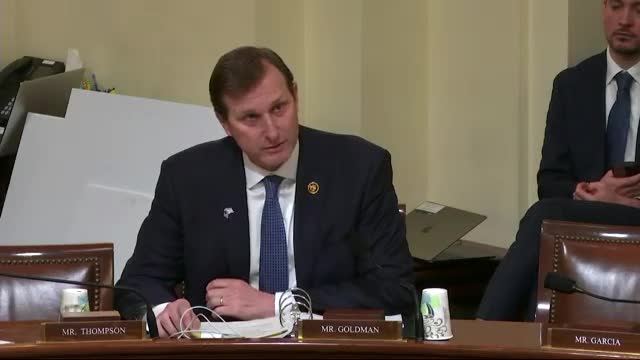
During a recent government meeting, discussions centered on the complexities of immigration reform and national security, highlighting the ongoing challenges faced by the U.S. border system and the implications of foreign-born terrorism.
One key topic was the lengthy process for asylum applications, which can take up to a decade to resolve. A participant questioned whether increasing the number of asylum officers—by more than 4,000—would effectively streamline this process and reduce the incentive for individuals to seek asylum in the U.S. The response emphasized that while support exists for border security, the reality remains that executive actions alone cannot resolve the underlying issues. It was noted that President Biden's executive order, which directed asylum seekers to enter through designated ports of entry, has reportedly led to a significant decrease in border crossings since its implementation.
The conversation also turned to the political dynamics surrounding immigration legislation. A representative pointed out that a bipartisan border security bill, which had garnered support from both parties, was ultimately obstructed by former President Donald Trump, who allegedly sought to leverage the border crisis for political gain. This assertion underscored frustrations regarding the lack of legislative solutions to immigration challenges.
In a separate discussion, the meeting addressed the topic of terrorism, particularly concerning foreign-born individuals. A participant sought clarification on the classification of terrorist attacks, referencing high-profile incidents such as the Boston Marathon bombing and the 9/11 attacks. It was confirmed that these acts were committed by foreign-born terrorists, which aligns with the government's classification of such incidents.
Concerns were raised about the potential threats posed by individuals on the terrorist watch list, with emphasis on the need for vigilance in preventing any terrorist activity within the U.S. The dialogue highlighted the urgency of addressing these security concerns, with a participant recalling personal experiences in combat zones and stressing the importance of proactive measures to thwart potential threats.
Overall, the meeting reflected a deep-seated urgency for comprehensive immigration reform and robust national security measures, while also revealing the complexities of navigating these critical issues within the current political landscape.
One key topic was the lengthy process for asylum applications, which can take up to a decade to resolve. A participant questioned whether increasing the number of asylum officers—by more than 4,000—would effectively streamline this process and reduce the incentive for individuals to seek asylum in the U.S. The response emphasized that while support exists for border security, the reality remains that executive actions alone cannot resolve the underlying issues. It was noted that President Biden's executive order, which directed asylum seekers to enter through designated ports of entry, has reportedly led to a significant decrease in border crossings since its implementation.
The conversation also turned to the political dynamics surrounding immigration legislation. A representative pointed out that a bipartisan border security bill, which had garnered support from both parties, was ultimately obstructed by former President Donald Trump, who allegedly sought to leverage the border crisis for political gain. This assertion underscored frustrations regarding the lack of legislative solutions to immigration challenges.
In a separate discussion, the meeting addressed the topic of terrorism, particularly concerning foreign-born individuals. A participant sought clarification on the classification of terrorist attacks, referencing high-profile incidents such as the Boston Marathon bombing and the 9/11 attacks. It was confirmed that these acts were committed by foreign-born terrorists, which aligns with the government's classification of such incidents.
Concerns were raised about the potential threats posed by individuals on the terrorist watch list, with emphasis on the need for vigilance in preventing any terrorist activity within the U.S. The dialogue highlighted the urgency of addressing these security concerns, with a participant recalling personal experiences in combat zones and stressing the importance of proactive measures to thwart potential threats.
Overall, the meeting reflected a deep-seated urgency for comprehensive immigration reform and robust national security measures, while also revealing the complexities of navigating these critical issues within the current political landscape.
Don't Miss a Word: See the Full Meeting!
Go beyond summaries. Unlock every video, transcript, and key insight with a Founder Membership.
✓
Get instant access to full meeting videos
✓
Search and clip any phrase from complete transcripts
✓
Receive AI-powered summaries & custom alerts
✓
Enjoy lifetime, unrestricted access to government data
30-day money-back guarantee
