Trust emerges as key to Gulf intelligence cooperation
September 19, 2024 | Foreign Affairs: House Committee, Standing Committees - House & Senate, Congressional Hearings Compilation, Legislative, Federal
This article was created by AI summarizing key points discussed. AI makes mistakes, so for full details and context, please refer to the video of the full meeting. Please report any errors so we can fix them. Report an error »
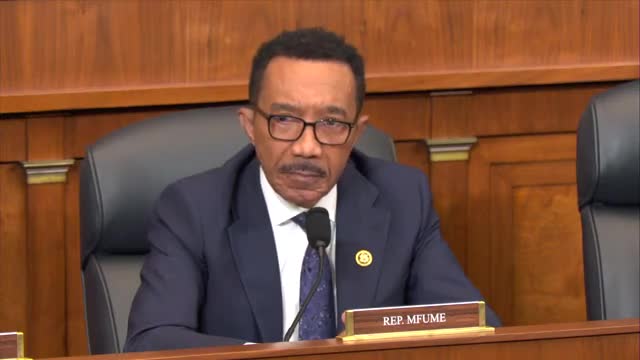
In a recent government meeting, discussions centered on the critical importance of intelligence sharing among Gulf partners, highlighting the complexities of regional trust dynamics. A panelist noted that intelligence collaboration has significantly increased over the past few years, emphasizing a collective responsibility to share information. However, underlying tensions in the Gulf, particularly stemming from the 2017 Qatar diplomatic crisis, complicate these relationships.
The panelists acknowledged that some Gulf partners exhibit greater trust in Israel than in their immediate neighbors, which poses challenges for building a cohesive intelligence network. The need for fostering trust and camaraderie among these nations was underscored as essential for enhancing regional security architecture.
Concerns were raised regarding the safety of U.S. troops and intelligence personnel operating in the region, with a call for a consistent foreign policy approach. The discussion also touched on the urgent need for a ceasefire to facilitate the return of hostages, reflecting a broader commitment to national and allied security.
The meeting concluded with a recognition of the complexities involved in maintaining trust in intelligence operations, as well as the necessity for ongoing dialogue to navigate these challenges effectively.
The panelists acknowledged that some Gulf partners exhibit greater trust in Israel than in their immediate neighbors, which poses challenges for building a cohesive intelligence network. The need for fostering trust and camaraderie among these nations was underscored as essential for enhancing regional security architecture.
Concerns were raised regarding the safety of U.S. troops and intelligence personnel operating in the region, with a call for a consistent foreign policy approach. The discussion also touched on the urgent need for a ceasefire to facilitate the return of hostages, reflecting a broader commitment to national and allied security.
The meeting concluded with a recognition of the complexities involved in maintaining trust in intelligence operations, as well as the necessity for ongoing dialogue to navigate these challenges effectively.
Don't Miss a Word: See the Full Meeting!
Go beyond summaries. Unlock every video, transcript, and key insight with a Founder Membership.
✓
Get instant access to full meeting videos
✓
Search and clip any phrase from complete transcripts
✓
Receive AI-powered summaries & custom alerts
✓
Enjoy lifetime, unrestricted access to government data
30-day money-back guarantee
