Iran's proxies escalate attacks as US strategy falters
September 19, 2024 | Foreign Affairs: House Committee, Standing Committees - House & Senate, Congressional Hearings Compilation, Legislative, Federal
This article was created by AI summarizing key points discussed. AI makes mistakes, so for full details and context, please refer to the video of the full meeting. Please report any errors so we can fix them. Report an error »
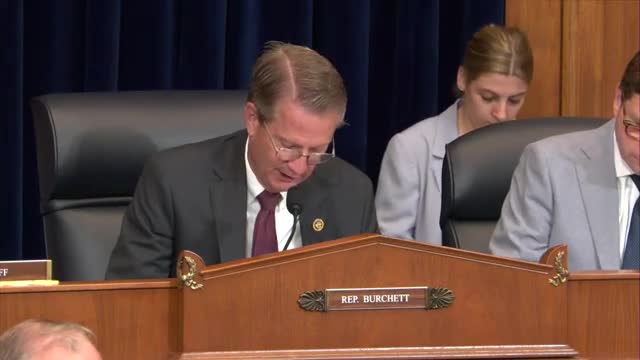
In a recent government meeting, officials expressed grave concerns over Iran's escalating military aggression and its support for terrorist proxies across the Middle East. Since the onset of hostilities on October 7th, Iranian-backed groups, including Hezbollah and the Houthis, have intensified their attacks on Israel and international shipping routes, with Hezbollah reportedly launching daily assaults. Additionally, Iranian militias in Iraq and Syria have conducted over 170 attacks on U.S. service members stationed in the region.
The meeting highlighted a significant shift in Iran's tactics, with the country executing a direct missile and drone strike against Israel for the first time, raising alarms about future threats. Officials criticized the Biden administration's approach, arguing that its policy of de-escalation has left the U.S. and its allies vulnerable. They called for a more aggressive strategy to counter these threats, emphasizing the need for immediate action to implement the 21st Century Peace Through Strength Act, which includes sanctions aimed at curbing Iran's military capabilities and financing of terrorism.
Witnesses at the meeting were expected to provide assessments of Iran's nuclear ambitions, missile and drone programs, and human rights violations, alongside recommendations for a more effective U.S. response. The urgency for a new plan was underscored, as officials noted that mere statements of condemnation are insufficient in the face of ongoing attacks. The meeting concluded with a call for a decisive shift in strategy to protect American interests and allies in the region.
The meeting highlighted a significant shift in Iran's tactics, with the country executing a direct missile and drone strike against Israel for the first time, raising alarms about future threats. Officials criticized the Biden administration's approach, arguing that its policy of de-escalation has left the U.S. and its allies vulnerable. They called for a more aggressive strategy to counter these threats, emphasizing the need for immediate action to implement the 21st Century Peace Through Strength Act, which includes sanctions aimed at curbing Iran's military capabilities and financing of terrorism.
Witnesses at the meeting were expected to provide assessments of Iran's nuclear ambitions, missile and drone programs, and human rights violations, alongside recommendations for a more effective U.S. response. The urgency for a new plan was underscored, as officials noted that mere statements of condemnation are insufficient in the face of ongoing attacks. The meeting concluded with a call for a decisive shift in strategy to protect American interests and allies in the region.
Don't Miss a Word: See the Full Meeting!
Go beyond summaries. Unlock every video, transcript, and key insight with a Founder Membership.
✓
Get instant access to full meeting videos
✓
Search and clip any phrase from complete transcripts
✓
Receive AI-powered summaries & custom alerts
✓
Enjoy lifetime, unrestricted access to government data
30-day money-back guarantee
