Iran's Shadow War Escalates Amid Regional Tensions
September 19, 2024 | Foreign Affairs: House Committee, Standing Committees - House & Senate, Congressional Hearings Compilation, Legislative, Federal
This article was created by AI summarizing key points discussed. AI makes mistakes, so for full details and context, please refer to the video of the full meeting. Please report any errors so we can fix them. Report an error »
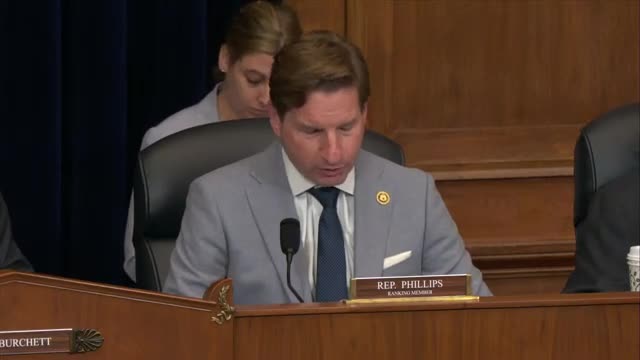
In a recent government meeting, officials expressed deep concerns over the escalating tensions in the Middle East, particularly regarding Iran's aggressive actions and its support for militant groups. The discussions highlighted Iran's direct attack on Israel on April 14 and the ongoing threats posed by Iranian-backed proxies, including the Houthis in Yemen, who have reportedly attacked military and commercial vessels nearly 200 times in the Red Sea over the past year.
The meeting underscored the humanitarian crisis resulting from the violence, with hundreds of thousands of civilians displaced along the Israel-Lebanon border. U.S. efforts to deescalate tensions include reinforcing Lebanon's sovereignty and supporting the Lebanese Armed Forces, which are crucial for implementing UN Security Council Resolution 1701.
Concerns were also raised about militants in the West Bank receiving weapons and funding from Iran, further destabilizing the region. The current Israeli government's actions, such as withholding tax revenues from the Palestinian Authority, were criticized for undermining peace efforts and emboldening extremist settlers.
In response to these challenges, the Biden administration has issued an executive order authorizing sanctions against individuals threatening peace in the West Bank. The administration is also working with Egypt and Qatar to negotiate a ceasefire in Gaza, aiming to facilitate humanitarian assistance and reconstruction efforts.
The meeting concluded with a call for regional cooperation, emphasizing that Israel must engage with neighboring countries, including Saudi Arabia, and work towards a two-state solution to counter Iran's influence. Officials warned that without decisive action, the region risks descending into chaos, urging leaders to prioritize peace and stability for all involved.
The meeting underscored the humanitarian crisis resulting from the violence, with hundreds of thousands of civilians displaced along the Israel-Lebanon border. U.S. efforts to deescalate tensions include reinforcing Lebanon's sovereignty and supporting the Lebanese Armed Forces, which are crucial for implementing UN Security Council Resolution 1701.
Concerns were also raised about militants in the West Bank receiving weapons and funding from Iran, further destabilizing the region. The current Israeli government's actions, such as withholding tax revenues from the Palestinian Authority, were criticized for undermining peace efforts and emboldening extremist settlers.
In response to these challenges, the Biden administration has issued an executive order authorizing sanctions against individuals threatening peace in the West Bank. The administration is also working with Egypt and Qatar to negotiate a ceasefire in Gaza, aiming to facilitate humanitarian assistance and reconstruction efforts.
The meeting concluded with a call for regional cooperation, emphasizing that Israel must engage with neighboring countries, including Saudi Arabia, and work towards a two-state solution to counter Iran's influence. Officials warned that without decisive action, the region risks descending into chaos, urging leaders to prioritize peace and stability for all involved.
Don't Miss a Word: See the Full Meeting!
Go beyond summaries. Unlock every video, transcript, and key insight with a Founder Membership.
✓
Get instant access to full meeting videos
✓
Search and clip any phrase from complete transcripts
✓
Receive AI-powered summaries & custom alerts
✓
Enjoy lifetime, unrestricted access to government data
30-day money-back guarantee
