Oversight Failures Plague USAID Funding Programs
September 19, 2024 | Foreign Affairs: House Committee, Standing Committees - House & Senate, Congressional Hearings Compilation, Legislative, Federal
This article was created by AI summarizing key points discussed. AI makes mistakes, so for full details and context, please refer to the video of the full meeting. Please report any errors so we can fix them. Report an error »
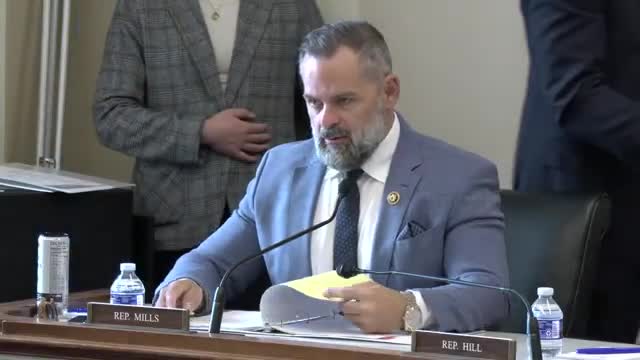
During a recent government meeting, concerns were raised regarding the effectiveness and oversight of grants administered by the U.S. Agency for International Development (USAID) and the State Department. A congressman highlighted ongoing issues with tracking the implementation of funds, referencing a 2011 Office of Inspector General (OIG) report that revealed significant discrepancies in the construction of hospitals and schools in Afghanistan, where only three out of 67 reported projects were completed.
The congressman criticized the lack of improvement over the years, citing multiple OIG reports from 2017 to 2023 that pointed to persistent weaknesses in oversight and management of foreign assistance programs. He emphasized that despite the passage of time, the ability of the State Department to effectively manage substantial resources remains a challenge.
In response, a representative from the State Department defended their processes, stating that the OIG has recognized their practices as a model for oversight. They asserted that their grants and cooperative agreements involve rigorous monitoring and collaboration with the OIG, aiming for continuous improvement.
The discussion also touched on the consequences for grantees who fail to comply with funding agreements. The representative confirmed that such grantees could be suspended from receiving further U.S. funding, detailing a robust system of monitoring that includes performance and financial reports, audits, and site visits.
The meeting underscored the ongoing debate about the accountability and effectiveness of U.S. foreign aid programs, with calls for enhanced oversight to ensure taxpayer funds are utilized effectively.
The congressman criticized the lack of improvement over the years, citing multiple OIG reports from 2017 to 2023 that pointed to persistent weaknesses in oversight and management of foreign assistance programs. He emphasized that despite the passage of time, the ability of the State Department to effectively manage substantial resources remains a challenge.
In response, a representative from the State Department defended their processes, stating that the OIG has recognized their practices as a model for oversight. They asserted that their grants and cooperative agreements involve rigorous monitoring and collaboration with the OIG, aiming for continuous improvement.
The discussion also touched on the consequences for grantees who fail to comply with funding agreements. The representative confirmed that such grantees could be suspended from receiving further U.S. funding, detailing a robust system of monitoring that includes performance and financial reports, audits, and site visits.
The meeting underscored the ongoing debate about the accountability and effectiveness of U.S. foreign aid programs, with calls for enhanced oversight to ensure taxpayer funds are utilized effectively.
Don't Miss a Word: See the Full Meeting!
Go beyond summaries. Unlock every video, transcript, and key insight with a Founder Membership.
✓
Get instant access to full meeting videos
✓
Search and clip any phrase from complete transcripts
✓
Receive AI-powered summaries & custom alerts
✓
Enjoy lifetime, unrestricted access to government data
30-day money-back guarantee
