Lawmakers clash over tipping policy and wage reforms
September 18, 2024 | Education and Labor: House Committee, Standing Committees - House & Senate, Congressional Hearings Compilation, Legislative, Federal
This article was created by AI summarizing key points discussed. AI makes mistakes, so for full details and context, please refer to the video of the full meeting. Please report any errors so we can fix them. Report an error »
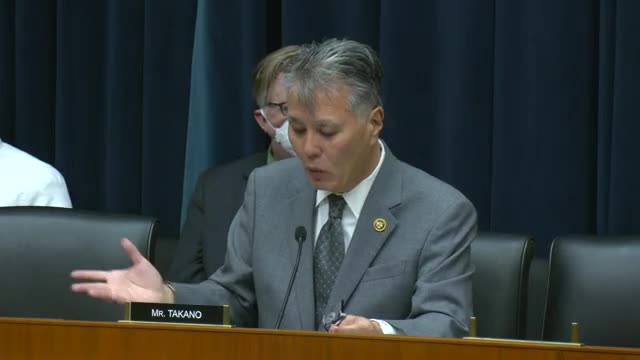
In a recent government meeting, discussions centered around the impact of wage policies on the restaurant industry, particularly focusing on the potential elimination of the tip credit and subminimum wage. A representative highlighted the significant public sentiment against current wage structures, citing 147,000 petitions to Congress and over 1.2 million workers who have protested for better wages.
Ms. Miller from Illinois questioned the implications of a proposed policy to end taxes on tips, asking if it would serve as a positive incentive for restaurant workers. The response from Mr. Boucher suggested skepticism, labeling the discussion as a \"flash in the pan political moment\" tied to the upcoming elections. He acknowledged that while eliminating tip taxes could benefit employees, he questioned the feasibility and financial implications for the federal government.
The conversation shifted to research presented by Ms. John Ramon, who argued that eliminating the tip credit and subminimum wage would not negatively impact tips or employment levels. She referenced studies comparing states with full minimum wage policies to those with subminimum wages, noting that the former group has experienced higher growth rates in small businesses, job creation, and overall income since the pandemic. She committed to providing this research for further review.
The meeting underscored the ongoing debate over wage policies in the restaurant sector, reflecting broader concerns about economic recovery and worker rights in the wake of the COVID-19 pandemic.
Ms. Miller from Illinois questioned the implications of a proposed policy to end taxes on tips, asking if it would serve as a positive incentive for restaurant workers. The response from Mr. Boucher suggested skepticism, labeling the discussion as a \"flash in the pan political moment\" tied to the upcoming elections. He acknowledged that while eliminating tip taxes could benefit employees, he questioned the feasibility and financial implications for the federal government.
The conversation shifted to research presented by Ms. John Ramon, who argued that eliminating the tip credit and subminimum wage would not negatively impact tips or employment levels. She referenced studies comparing states with full minimum wage policies to those with subminimum wages, noting that the former group has experienced higher growth rates in small businesses, job creation, and overall income since the pandemic. She committed to providing this research for further review.
The meeting underscored the ongoing debate over wage policies in the restaurant sector, reflecting broader concerns about economic recovery and worker rights in the wake of the COVID-19 pandemic.
Don't Miss a Word: See the Full Meeting!
Go beyond summaries. Unlock every video, transcript, and key insight with a Founder Membership.
✓
Get instant access to full meeting videos
✓
Search and clip any phrase from complete transcripts
✓
Receive AI-powered summaries & custom alerts
✓
Enjoy lifetime, unrestricted access to government data
30-day money-back guarantee
