Federal Reserve cuts interest rates as inflation falls
September 19, 2024 | Budget: House Committee, Standing Committees - House & Senate, Congressional Hearings Compilation, Legislative, Federal
This article was created by AI summarizing key points discussed. AI makes mistakes, so for full details and context, please refer to the video of the full meeting. Please report any errors so we can fix them. Report an error »
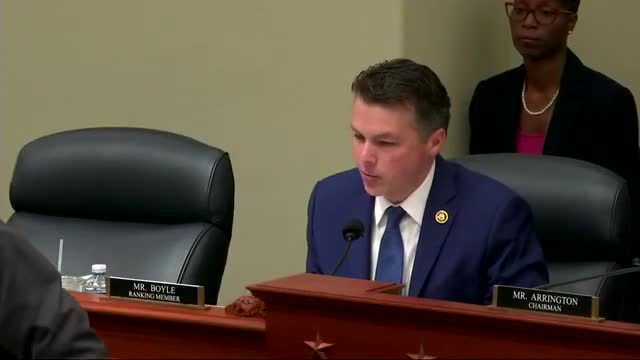
In a recent government meeting, discussions centered on the economic impacts of the Inflation Reduction Act (IRA) and the ongoing challenges posed by climate change. The meeting highlighted a significant reduction in energy prices since the IRA's enactment two years ago, with gas prices dropping from a peak of $5 to approximately $3.30. Natural gas and crude oil prices have also seen substantial declines, contributing to an overall decrease in inflation, which is now reported at 7.7% lower according to the consumer price index.
The conversation underscored the financial burdens that climate change imposes on consumers, particularly in coastal areas facing rising insurance costs. The meeting referenced 28 major disasters in the previous year, resulting in $90 billion in damages, which have driven up insurance premiums significantly. For instance, California has experienced an 800% increase in insurance prices from 2015 to 2021, largely due to wildfire-related costs.
Participants discussed the IRA's role in addressing these issues, noting that it aims to facilitate a transition to clean energy, which is expected to lower costs for American families in the long run. The act has also created over 300,000 jobs, with a strong growth trajectory in the clean energy sector. New rebates and credits introduced by the IRA are designed to help households upgrade their energy systems, covering up to 100% of costs for low-income families.
Concerns were raised about potential reversals of the IRA under proposals like Trump's Project 2025, which could eliminate these benefits and lead to significant job losses and reduced economic competitiveness. The meeting concluded with a call to recognize the long-term economic advantages of combating climate change and supporting clean energy initiatives.
The conversation underscored the financial burdens that climate change imposes on consumers, particularly in coastal areas facing rising insurance costs. The meeting referenced 28 major disasters in the previous year, resulting in $90 billion in damages, which have driven up insurance premiums significantly. For instance, California has experienced an 800% increase in insurance prices from 2015 to 2021, largely due to wildfire-related costs.
Participants discussed the IRA's role in addressing these issues, noting that it aims to facilitate a transition to clean energy, which is expected to lower costs for American families in the long run. The act has also created over 300,000 jobs, with a strong growth trajectory in the clean energy sector. New rebates and credits introduced by the IRA are designed to help households upgrade their energy systems, covering up to 100% of costs for low-income families.
Concerns were raised about potential reversals of the IRA under proposals like Trump's Project 2025, which could eliminate these benefits and lead to significant job losses and reduced economic competitiveness. The meeting concluded with a call to recognize the long-term economic advantages of combating climate change and supporting clean energy initiatives.
Don't Miss a Word: See the Full Meeting!
Go beyond summaries. Unlock every video, transcript, and key insight with a Founder Membership.
✓
Get instant access to full meeting videos
✓
Search and clip any phrase from complete transcripts
✓
Receive AI-powered summaries & custom alerts
✓
Enjoy lifetime, unrestricted access to government data
30-day money-back guarantee
