Hurricane Helene devastates Southeast as communities face tough choices
This article was created by AI summarizing key points discussed. AI makes mistakes, so for full details and context, please refer to the video of the full meeting. Please report any errors so we can fix them. Report an error »
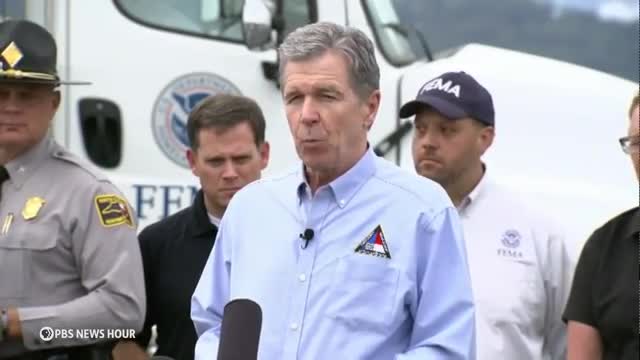
In the wake of Hurricane Helene's devastating impact on the southeastern United States, communities are grappling with significant challenges as they assess the damage and consider their future. The hurricane, which made landfall as a Category 4 storm with winds reaching 140 miles per hour, has left over one million people without power and caused extensive flooding and destruction across North Carolina, Georgia, and Florida.
In North Carolina, areas like Asheville remain cut off due to damaged roads and lack of essential services, with residents struggling to communicate with loved ones. President Biden has pledged federal support for recovery efforts, assuring survivors that assistance will be provided \"as long as it takes.\"
The storm has raised critical questions about rebuilding efforts in affected areas. In Cedar Key, Florida, Mayor Sue Colson highlighted the need for communities to adapt to the realities of climate change and extreme weather. With a quarter of the town's homes destroyed, she emphasized the importance of rethinking infrastructure and building codes to better withstand future storms. \"We have to learn how to work with nature,\" Colson stated, reflecting a sentiment echoed by many residents who are determined to stay despite the risks.
Meteorologists are warning that climate change is contributing to the increasing intensity of storms in the region. Ryan Trueshelet, a meteorologist in Tallahassee, noted that warmer Gulf waters are fueling these hurricanes, suggesting that the risk profile for future storms has shifted towards more severe weather events.
As communities begin the recovery process, local businesses are also feeling the impact. In Steenhatchee, the town's only grocery store was nearly destroyed by the storm surge, leaving residents to salvage what they can. Store manager Crystal Moraz expressed concern over the frequency of hurricanes, stating, \"This is the worst I've ever seen this place.\"
Despite the challenges, many residents remain committed to their homes. Shannon Millanore from Keaton Beach described the area as \"our little paradise,\" indicating a strong desire to continue living in the region despite the risks posed by future storms.
As recovery efforts unfold, the discussions surrounding rebuilding, climate adaptation, and community resilience will be crucial in shaping the future of these impacted areas.
In North Carolina, areas like Asheville remain cut off due to damaged roads and lack of essential services, with residents struggling to communicate with loved ones. President Biden has pledged federal support for recovery efforts, assuring survivors that assistance will be provided \"as long as it takes.\"
The storm has raised critical questions about rebuilding efforts in affected areas. In Cedar Key, Florida, Mayor Sue Colson highlighted the need for communities to adapt to the realities of climate change and extreme weather. With a quarter of the town's homes destroyed, she emphasized the importance of rethinking infrastructure and building codes to better withstand future storms. \"We have to learn how to work with nature,\" Colson stated, reflecting a sentiment echoed by many residents who are determined to stay despite the risks.
Meteorologists are warning that climate change is contributing to the increasing intensity of storms in the region. Ryan Trueshelet, a meteorologist in Tallahassee, noted that warmer Gulf waters are fueling these hurricanes, suggesting that the risk profile for future storms has shifted towards more severe weather events.
As communities begin the recovery process, local businesses are also feeling the impact. In Steenhatchee, the town's only grocery store was nearly destroyed by the storm surge, leaving residents to salvage what they can. Store manager Crystal Moraz expressed concern over the frequency of hurricanes, stating, \"This is the worst I've ever seen this place.\"
Despite the challenges, many residents remain committed to their homes. Shannon Millanore from Keaton Beach described the area as \"our little paradise,\" indicating a strong desire to continue living in the region despite the risks posed by future storms.
As recovery efforts unfold, the discussions surrounding rebuilding, climate adaptation, and community resilience will be crucial in shaping the future of these impacted areas.
View the Full Meeting & All Its Details
This article offers just a summary. Unlock complete video, transcripts, and insights as a Founder Member.
✓
Watch full, unedited meeting videos
✓
Search every word spoken in unlimited transcripts
✓
AI summaries & real-time alerts (all government levels)
✓
Permanent access to expanding government content
30-day money-back guarantee
